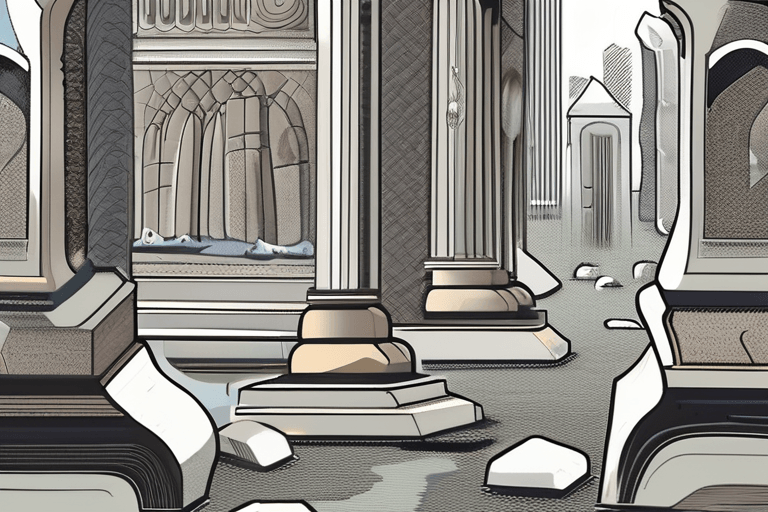
Gravestones in various cemeteries across the globe are made from a range of rocks, including plutonic rocks, metamorphic rocks, and sedimentary rocks, providing a glimpse into the Earth's geological past. According to David Bressan, a geologist and senior contributor to Forbes, the oldest rock on Earth dates back more than 4 billion years to the Hadean period, named after the Greek god of the dead and the king of the underworld, Hades.
Bressan notes that the choice of rock for gravestones depends on both aesthetic value and practical use. For instance, granite, which comes in various colors ranging from red to green, is often used due to its durability and ability to be carved into intricate designs. Limestone, consisting of calcite, is also a popular choice, as it is easy to sculpt and can display interesting color variations.
The use of different types of rocks for gravestones offers a unique opportunity to contemplate the Earth's geological history. Bressan explains that the rocks used for gravestones are often the same rocks that were formed millions of years ago, providing a tangible connection to the past. "When you walk through a cemetery, you're not just looking at the names and dates on the gravestones, you're also looking at the rocks that have been shaped by millions of years of geological processes," he says.
The Hadean period, which dates back to the Earth's formation, is a time of great interest for geologists. During this period, the Earth's surface was still in its formative stages, with temperatures soaring and the atmosphere devoid of oxygen. The rocks that formed during this time period are some of the oldest on Earth and offer valuable insights into the planet's early history.
In addition to providing a glimpse into the Earth's geological past, graveyards also offer a unique perspective on the human experience. As Bressan notes, "Graveyards are a reminder of the transience of human life and the enduring power of the Earth's geology." By examining the rocks used for gravestones, people can gain a deeper appreciation for the natural world and the processes that have shaped our planet.
As for future developments, Bressan notes that there is still much to be learned about the Earth's geological history. "There are still many unanswered questions about the Hadean period and the early history of the Earth," he says. "By studying the rocks used for gravestones, we can gain a better understanding of the processes that have shaped our planet and the secrets that lie beneath our feet."








Discussion
Join 0 others in the conversation
Share Your Thoughts
Your voice matters in this discussion
Login to join the conversation
No comments yet
Be the first to share your thoughts!