Shares fell significantly in the global community as the 30th anniversary of the Bosnia war approached, a conflict that still has a profound impact on the country today. The war, which lasted from 1992 to 1995, resulted in the deaths of over 100,000 people and the displacement of millions more. Many key terms associated with the conflict have become ingrained in the global lexicon, including sniper safaris, ethnic cleansing, and siege warfare.
According to Al Jazeera's Alma Milisic, these terms are essential to understanding the complexities of the war. "The Bosnia war was a brutal conflict that exposed the darker aspects of human nature," Milisic said in an interview. "Terms like sniper safaris and ethnic cleansing are a stark reminder of the atrocities committed during this period." Milisic's report highlights the significance of these terms in shaping the country's legacy.
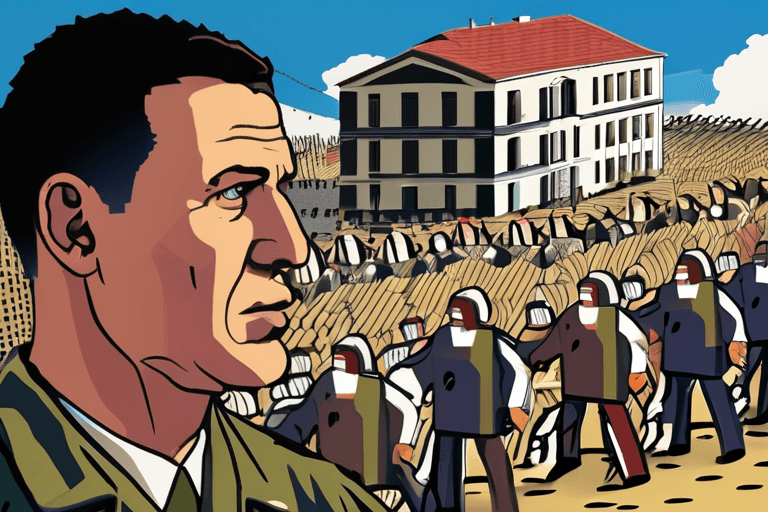
Sniper safaris, a term coined by Bosnian Serb forces, referred to the practice of targeting civilians, particularly women and children, with sniper fire. This tactic was used extensively during the siege of Sarajevo, where Bosnian Serb forces surrounded the city and subjected its residents to a prolonged period of bombardment. Ethnic cleansing, on the other hand, was a systematic effort to expel or kill members of a particular ethnic group, in this case, Bosniaks and Croats.
The Bosnia war was a complex conflict involving multiple ethnic groups, including Bosniaks, Croats, and Serbs. The war was sparked by the breakup of Yugoslavia and the subsequent struggle for power and territory among the various ethnic groups. The conflict was marked by widespread human rights abuses, including massacres, forced displacement, and genocide.
International perspectives on the Bosnia war vary, but most agree that it was a tragic event that exposed the darker aspects of human nature. "The Bosnia war was a wake-up call for the international community," said a spokesperson for the United Nations. "It highlighted the need for collective action to prevent such atrocities from occurring in the future." The war also led to the establishment of the International Tribunal for the Former Yugoslavia, which was tasked with prosecuting war crimes and bringing perpetrators to justice.
Today, Bosnia and Herzegovina continues to grapple with the legacy of the war. The country remains divided along ethnic lines, and tensions between the different groups remain high. However, efforts are underway to promote reconciliation and rebuild the country. The government has established a number of programs aimed at promoting inter-ethnic dialogue and reconciliation, and there are ongoing efforts to rebuild infrastructure and stimulate economic growth.
As the 30th anniversary of the Bosnia war approaches, the international community is reflecting on the lessons learned from this tragic conflict. The war serves as a stark reminder of the importance of promoting peace, stability, and human rights, and the need for collective action to prevent such atrocities from occurring in the future.










Discussion
Join 0 others in the conversation
Share Your Thoughts
Your voice matters in this discussion
Login to join the conversation
No comments yet
Be the first to share your thoughts!