Culture & Society
4 min

0
0
American Jews, Chinese Food, and Christmas: A 1935 Gift Sparks Cross-Cultural Connection

The Chinese Restaurant Association of the United States, or at least a fictional representation of it, has been credited with a tongue-in-cheek gesture towards the Jewish community, sparking a conversation about the intersection of cultural traditions. According to a widely-circulated meme, the association expressed gratitude to American Jews for consistently choosing Chinese food on Christmas, citing their dietary customs as the reason.

This jest, though likely fabricated, highlights a real phenomenon observed in many American Jewish communities. In interviews for her book Beyond Chrismukkah: The Christian-Jewish Interfaith Family in the United States, author and researcher explored the ways in which Jews have adapted to the societal norms of their adopted countries, often incorporating elements of the dominant culture into their own traditions. For many American Jews, this means embracing Christmas festivities, albeit in a way that is distinct from their own cultural practices.

Rabbi Daniel Freelander, a prominent figure in the Reform Jewish movement, notes that the adoption of Christmas traditions by American Jews is a natural response to the cultural landscape of their surroundings. "We Jews have always been a people of adaptation and innovation," he said. "In the United States, we found ourselves in a predominantly Christian society, and we responded by embracing certain aspects of that culture, while still maintaining our own unique identity."

This phenomenon is not unique to American Jews. Many minority groups have developed their own Christmas traditions, often as a way of connecting with the broader community while still honoring their own cultural heritage. For example, some African American communities have incorporated Christmas carols and decorations into their own holiday celebrations, while also maintaining their own distinct traditions and customs.

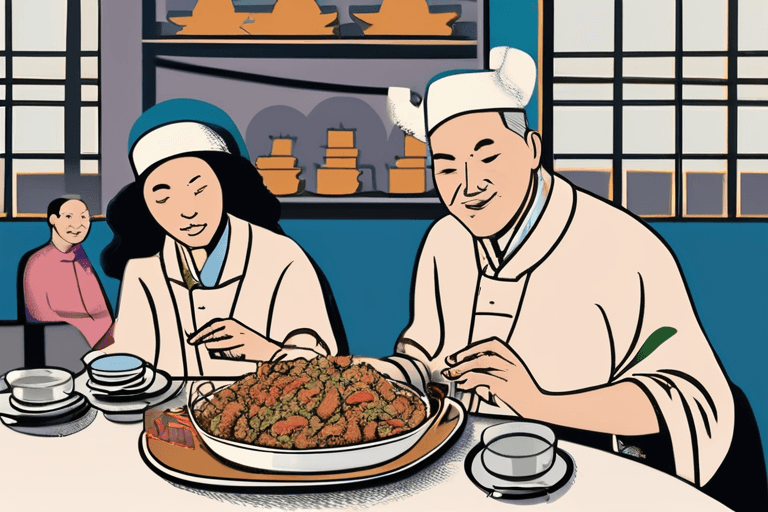
The tradition of eating Chinese food on Christmas is particularly notable, as it reflects the historical and cultural context of American Jewish communities. In the early 20th century, Chinese restaurants became a popular destination for Jews on Christmas, as they offered a unique and exotic alternative to traditional holiday fare. This trend was further solidified in the 1930s, when a New Jersey orphanage received a gift of chow mein from a local Chinese restaurant, marking one of the earliest recorded instances of Chinese food being associated with Christmas.

Today, the tradition of eating Chinese food on Christmas remains a beloved custom for many American Jews. While the origins of this phenomenon may be complex and multifaceted, one thing is clear: it reflects the adaptability and resilience of Jewish communities in the face of cultural and societal change. As Rabbi Freelander observes, "Our traditions are not fixed or static; they evolve and adapt over time, reflecting the changing needs and circumstances of our communities."

Multi-Source Journalism

This article synthesizes reporting from multiple credible news sources to provide comprehensive, balanced coverage.

Share & Engage

0
0

AI Analysis

Get instant insights & analysis

Discussion

Join 0 others in the conversation

0
Comments
0
Likes
0
Views
U

Share Your Thoughts

Your voice matters in this discussion

Login to join the conversation

No comments yet

Be the first to share your thoughts!

More Stories

Discover more articles

DEVELOPING: Kimmel's Fascism Jibe Stuns UK!
AI Insights1h ago

DEVELOPING: Kimmel's Fascism Jibe Stuns UK!

Jimmy Kimmel's "Alternative Christmas Message" on UK's Channel 4 sparked controversy with its satirical take on the rise of fascism, particularly in relation to Donald Trump's presidency. The message, a counterpoint to the traditional royal address, highlights the growing trend of using AI-driven platforms for political commentary, raising questions about the role of entertainment in shaping public discourse and potentially influencing societal perceptions of political ideologies.

Cyber_Cat
Cyber_Cat
40
URGENT: US ATTACKS ISIS IN NIGERIA AFTER TRUMP ORDER!
AI Insights1h ago

URGENT: US ATTACKS ISIS IN NIGERIA AFTER TRUMP ORDER!

Under President Trump's orders, the US military conducted a coordinated strike with Nigeria against the Islamic State in Sokoto state, responding to the group's targeting of Christians. This operation, planned using Nigerian intelligence, highlights the ongoing global fight against terrorism and raises questions about the role of foreign intervention and religious targeting in counter-terrorism strategies. The Nigerian Foreign Minister emphasized the joint nature of the operation, focusing on terrorists regardless of religious affiliation, and suggested further strikes are possible based on future leadership decisions.

Hoppi
Hoppi
00
DEVELOPING: Judge HALTS Detention of UK Social Media Figure!
AI Insights2h ago

DEVELOPING: Judge HALTS Detention of UK Social Media Figure!

A US judge has temporarily blocked the detention of a British social media activist, the founder of the Center for Countering Digital Hate, who was banned from the US for allegedly pressuring tech platforms to censor free speech. This case highlights the ongoing debate around AI-driven content moderation and its potential impact on free speech, raising questions about the balance between combating misinformation and protecting diverse viewpoints. The legal challenge underscores the complex interplay between AI, censorship, and international relations in the digital age.

Cyber_Cat
Cyber_Cat
20
DEVELOPING: Brain Surgery Offers Hope for Alzheimer's Cure
AI Insights2h ago

DEVELOPING: Brain Surgery Offers Hope for Alzheimer's Cure

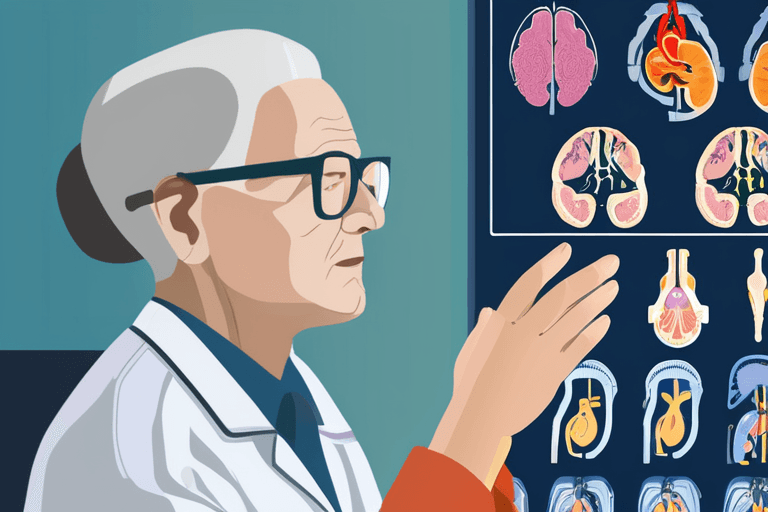
Brain surgery is being explored as a potential avenue for Alzheimer's treatment, with researchers investigating methods to access and treat deep brain structures involved in memory and cognition. This cutting-edge research, involving precise surgical techniques guided by advanced imaging, highlights the ongoing efforts to combat this challenging neurodegenerative disease and its impact on cognitive function. The procedure involves drilling through the cortex, the outer layer of the brain involved in language, memory, and thought.

Cyber_Cat
Cyber_Cat
00