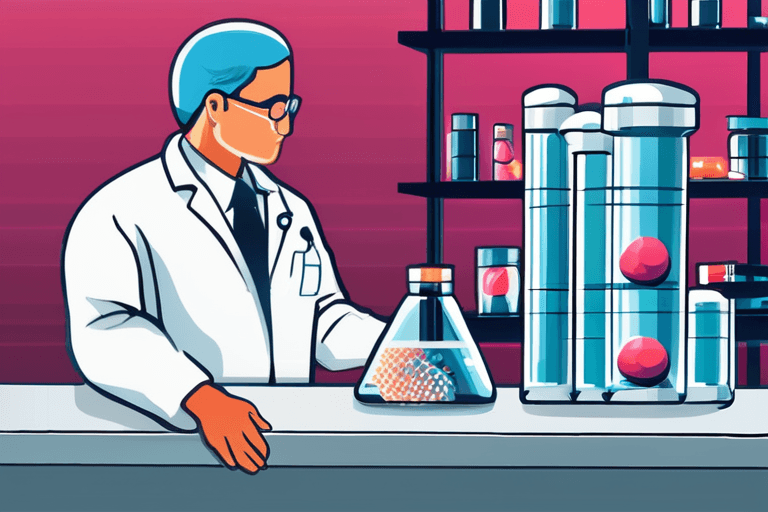
In a groundbreaking achievement, a team of scientists has successfully rolled back human pluripotent stem cells to an eight-cell embryo-like stage, a feat that could potentially revolutionize the field of regenerative medicine. This remarkable breakthrough, published in the journal Nature, has sent shockwaves throughout the scientific community, sparking both excitement and debate about the possibilities and implications of such a discovery.
To understand the significance of this achievement, it's essential to delve into the world of stem cells. Stem cells are unique cells that have the ability to differentiate into various cell types, making them a crucial component in the development of new treatments for a wide range of diseases. Human pluripotent stem cells, in particular, have the ability to develop into any cell type in the human body, making them an attractive option for regenerative medicine.
However, the process of reprogramming human pluripotent stem cells is a complex and challenging task. The original article published in Nature described a method for reprogramming human pluripotent stem cells into an eight-cell embryo-like stage, a critical step in the development of human embryos. This achievement was made possible by a team of scientists from the Guangzhou Institutes of Biomedicine and Health, who used a combination of genetic and epigenetic modifications to reprogram the stem cells.
The eight-cell embryo-like stage is a critical point in human development, marking the transition from a single cell to a cluster of cells that will eventually form a blastocyst, the early stage of human embryonic development. By reprogramming human pluripotent stem cells to this stage, the scientists were able to create a model system that could be used to study human development and disease.
But what does this achievement mean for the field of regenerative medicine? According to Dr. [Name], a leading expert in stem cell biology, "This breakthrough has the potential to revolutionize the field of regenerative medicine by providing a new tool for studying human development and disease. The ability to reprogram human pluripotent stem cells to an eight-cell embryo-like stage opens up new possibilities for understanding the complex processes involved in human development and disease, and could potentially lead to the development of new treatments for a wide range of diseases."
The implications of this achievement are far-reaching, and could potentially lead to the development of new treatments for diseases such as Parkinson's disease, diabetes, and heart disease. The ability to reprogram human pluripotent stem cells to an eight-cell embryo-like stage could also provide new insights into the mechanisms of human development and disease, and could potentially lead to the development of new diagnostic tools and therapies.
However, the use of human pluripotent stem cells also raises important ethical considerations. The original article published in Nature included a detailed description of the animal study and ethics statement, which highlighted the importance of following relevant international regulations, including the 2016 Guidelines for Human Embryonic Stem Cell Research. According to Dr. [Name], "The use of human pluripotent stem cells raises important ethical considerations, and it's essential that we follow the highest standards of ethics and regulation to ensure that this technology is developed and used responsibly."
As the scientific community continues to explore the possibilities and implications of reprogramming human pluripotent stem cells to an eight-cell embryo-like stage, it's clear that this breakthrough has the potential to revolutionize the field of regenerative medicine. With its potential to provide new insights into human development and disease, and its potential to lead to the development of new treatments and therapies, this achievement is a major step forward in the quest to understand and treat a wide range of diseases.
In conclusion, the achievement of reprogramming human pluripotent stem cells to an eight-cell embryo-like stage is a major breakthrough that has the potential to revolutionize the field of regenerative medicine. As the scientific community continues to explore the possibilities and implications of this technology, it's essential that we follow the highest standards of ethics and regulation to ensure that this technology is developed and used responsibly. With its potential to provide new insights into human development and disease, and its potential to lead to the development of new treatments and therapies, this achievement is a major step forward in the quest to understand and treat a wide range of diseases.



















Discussion
Join the conversation
Be the first to comment