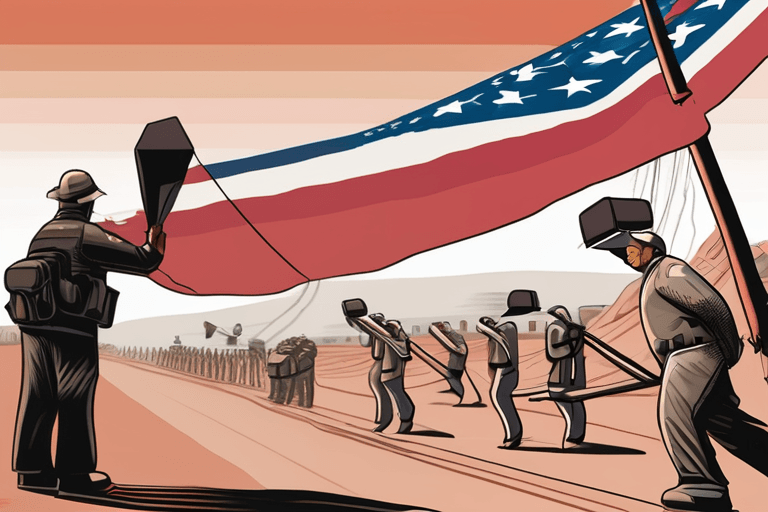
U.S. foreign aid experienced a dramatic shift this year, marked by significant reductions and a restructuring of priorities. The changes followed an executive order signed by President Trump on his inauguration night, which froze almost all international assistance. This action led to the termination of billions of dollars in aid programs and the dismantling of the U.S. Agency for International Development, USAID, according to NPR reports.
Historically, the U.S. had been the world's leading donor for global health initiatives. However, the new approach has resulted in a substantial decrease in funding, impacting various programs and initiatives worldwide. While some foreign aid money is now being disbursed, the overall amount is significantly less than in previous years.
The implications of these changes are far-reaching, affecting communities and organizations that rely on U.S. assistance for essential services. The reduction in aid has raised concerns among international organizations and partner countries, particularly those in developing regions. The dismantling of USAID, an agency instrumental in coordinating and implementing U.S. foreign aid, has further complicated the landscape of international development.
The future of U.S. foreign assistance remains uncertain, with ongoing debates about the country's role in global development and the allocation of resources. The shift in priorities reflects a broader reassessment of U.S. foreign policy and its approach to international engagement.

















Discussion
Join the conversation
Be the first to comment