Imagine turning back the clock on human cells, not just to their earliest form, but even earlier than previously thought possible. That's the promise, and the challenge, at the heart of a recent correction published in Nature, revisiting research on human pluripotent stem cells. The original article, published in March 2022, detailed a groundbreaking attempt to rewind these cells to an eight-cell embryo-like stage. Now, with a clarified ethical framework, the research stands as a testament to both scientific ambition and the rigorous self-correction that defines the field.
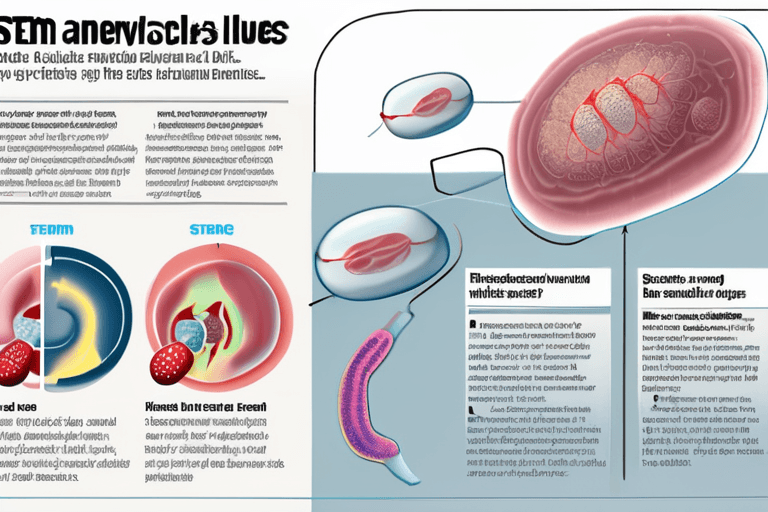
Pluripotent stem cells, the body's master cells, hold the potential to become any cell type in the human body. This remarkable ability makes them invaluable for regenerative medicine, disease modeling, and drug discovery. Embryonic stem cells (ESCs), derived from early-stage embryos, are the gold standard of pluripotency. However, ethical considerations surrounding their derivation have spurred researchers to explore alternative sources, such as induced pluripotent stem cells (iPSCs), which are created by reprogramming adult cells.
The initial excitement surrounding the 2022 Nature article stemmed from its bold attempt to push the boundaries of cellular reprogramming. The researchers aimed to create cells even more primitive than ESCs, resembling the totipotent cells found in the very earliest stages of embryonic development. Totipotent cells possess the unique ability to form not only all the tissues of the body but also the extraembryonic tissues, such as the placenta. Achieving this level of cellular "rewinding" could unlock unprecedented opportunities for understanding human development and treating diseases.
The correction addresses the ethical oversight in the original publication. The Animal study and ethics statement section of the Methods now clearly states that the human-mouse chimera and human blastoid experiments were approved and followed up by the Animal Care and Use Committee and Human Subject Research Ethics Committee under license numbers IACUC2016012 and GIBH-IRB2020-034, respectively, of the Guangzhou Institutes of Biomedicine and Health. These committees, comprising experts from diverse fields, including scientists, doctors, and lawyers, meticulously evaluated the rationale, origins, and consent of human materials, as well as the investigators' qualifications.
"Ethical considerations are paramount in stem cell research," explains Dr. Anya Sharma, a bioethicist specializing in stem cell research at the University of California, San Francisco. "This correction underscores the importance of transparency and adherence to established ethical guidelines. It's a reminder that scientific progress must always be balanced with responsible conduct."
The research itself, while still under scrutiny and further validation, has sparked considerable debate within the scientific community. Some researchers question the true totipotency of the generated cells, arguing that they may represent a transient state rather than a fully reprogrammed cell type. Others emphasize the potential benefits of such research, particularly for understanding early pregnancy loss and developing new strategies for in vitro fertilization.
"Even if these cells aren't truly totipotent, they offer a valuable model for studying the earliest stages of human development," says Dr. Kenji Tanaka, a stem cell biologist at Kyoto University. "By understanding the molecular mechanisms that govern totipotency, we can potentially improve the efficiency of iPSC reprogramming and generate cells with enhanced therapeutic potential."
The implications of this research extend beyond the laboratory. Companies specializing in cell-based therapies are closely watching these developments, recognizing the potential for generating more versatile and effective cell sources for treating a wide range of diseases. For example, companies developing cell therapies for spinal cord injury or Parkinson's disease could potentially benefit from access to cells with enhanced regenerative capabilities.
While the journey to fully harness the power of pluripotent stem cells is far from over, this corrected research serves as a crucial step forward. It highlights the importance of ethical rigor in scientific research and underscores the transformative potential of stem cell technology for understanding human development and treating disease. As researchers continue to push the boundaries of cellular reprogramming, the future of regenerative medicine looks increasingly promising.



















Discussion
Join the conversation
Be the first to comment