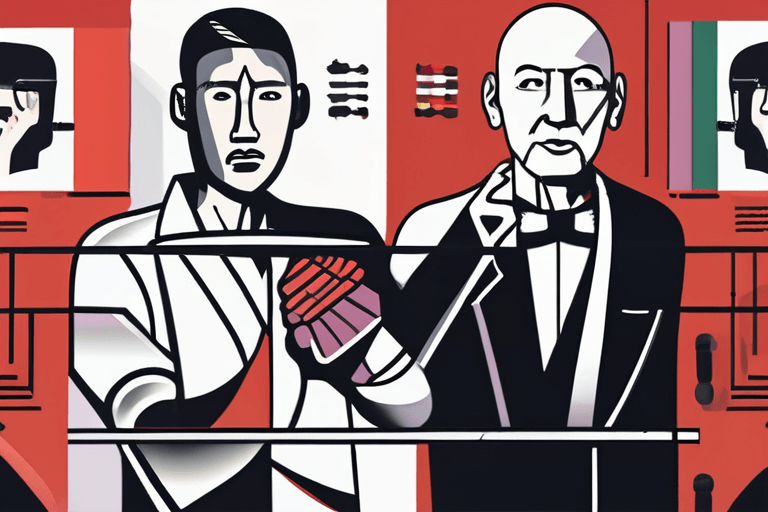
The roar of the crowd, the flash of cameras, the palpable tension – these are the elements that define a championship boxing match. But behind the spectacle of Naoya Inoue, the "Monster," defending his undisputed super bantamweight title against the undefeated Alan David Picasso in Riyadh, lies a technological undercurrent reshaping how fans experience the sport. Forget scrambling for illegal streams; the future of fight night is increasingly digital, personalized, and powered by artificial intelligence.
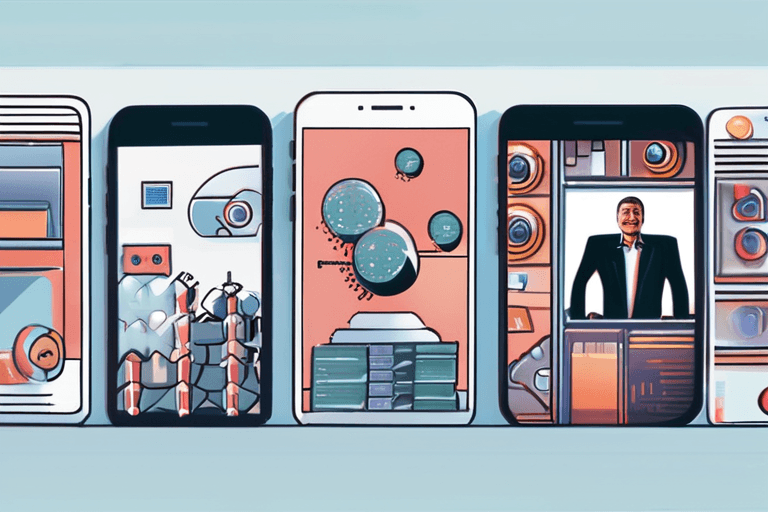
The upcoming clash, dubbed "The Ring V: Night of the Samurai," is more than just a battle of undefeated records. It's a showcase of how streaming services like DAZN are leveraging AI to enhance the viewing experience. For $39.99, DAZN subscribers can access the pay-per-view event. Non-subscribers can opt for the Ultimate Tier plan at $44.99/month, unlocking this fight and 11 other PPV events throughout the year. This tiered approach, driven by AI-powered analytics, allows DAZN to personalize pricing and content offerings based on individual viewing habits and preferences.
But the AI influence extends far beyond just subscription models. Imagine a world where AI algorithms analyze fighter biometrics in real-time, predicting potential vulnerabilities and offering viewers insights into each boxer's strengths and weaknesses. This isn't science fiction; companies are already developing AI-powered tools that can track a fighter's heart rate, breathing patterns, and even subtle muscle movements to provide a deeper understanding of their performance.
"AI is revolutionizing sports broadcasting," says Dr. Emily Carter, a professor of sports analytics at Stanford University. "It's not just about providing more data; it's about turning that data into actionable insights that enhance the viewing experience and provide fans with a more immersive understanding of the game."
The implications for society are profound. AI-powered sports analytics could democratize access to expert-level analysis, allowing casual fans to engage with the sport on a deeper level. However, concerns remain about the potential for bias in AI algorithms and the ethical implications of using biometric data to predict fighter performance.
"We need to ensure that AI is used responsibly and ethically in sports," warns Dr. Carter. "Transparency and accountability are crucial to prevent bias and ensure that AI benefits all stakeholders, not just the broadcasters and the athletes."
Looking ahead, the integration of AI in sports broadcasting is only going to accelerate. Expect to see more personalized viewing experiences, AI-powered commentary, and even virtual reality environments that allow fans to step inside the ring alongside their favorite fighters. The Inoue vs. Picasso fight is just the beginning of a new era in sports entertainment, one where AI plays a central role in shaping how we watch, understand, and engage with the games we love. The fight begins at 3 a.m. ET12 a.m. PT, with the main event ringwalk expected around 7:55 a.m. ET4:55 a.m. PT. Don't just watch the fight; experience the future of sports.















Discussion
Join the conversation
Be the first to comment