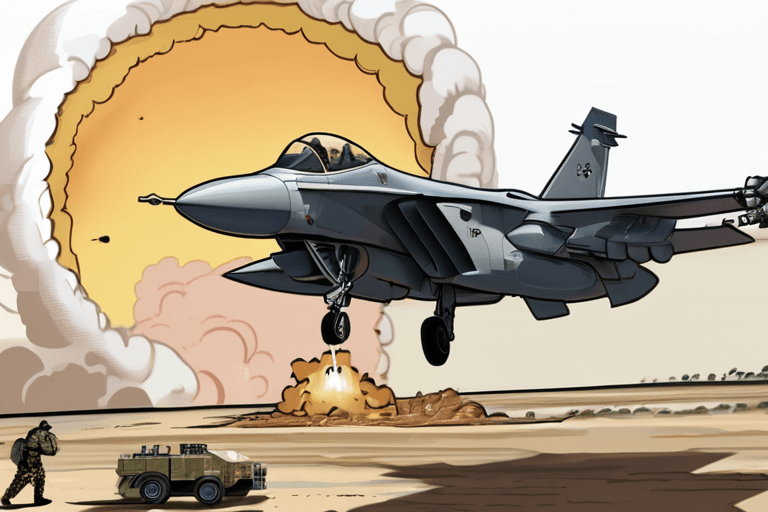
President Donald Trump ordered airstrikes against ISIS camps in Nigeria on Christmas Day, escalating tensions after vowing potential military intervention in the country since November. The strikes, involving more than a dozen Tomahawk missiles launched from a U.S. Navy ship, followed Trump's recent pledge to retaliate against ISIS for alleged deadly attacks against U.S. troops and civilians globally, according to a statement released by the White House.
Trump's specific focus on Nigeria emerged last month when he threatened on social media to go "guns-a-blazing" into the country if its government failed to prevent the persecution of Christians. This statement sparked international concern and debate regarding the justification and potential consequences of unilateral military action within a sovereign nation.
Nigeria, a West African nation of over 200 million people, faces complex security challenges, including the presence of ISIS-affiliated groups and ongoing conflicts between different religious and ethnic groups. The Nigerian government has been battling Boko Haram, another extremist group, for over a decade, resulting in widespread displacement and humanitarian crises, particularly in the northeast of the country.
Joshua Keating, a senior correspondent at Vox covering foreign policy and world news, noted the strikes came as a surprise to many international observers. "The idea of a humanitarian intervention, MAGA-style, is certainly a departure from traditional foreign policy approaches," Keating wrote. He added that the long-term implications of this action on U.S.-Nigeria relations and regional stability remain uncertain.
The Nigerian government has yet to release an official statement regarding the U.S. airstrikes. However, some analysts fear the intervention could further destabilize the region, potentially emboldening extremist groups and exacerbating existing tensions. Others argue that decisive action is necessary to protect vulnerable populations and prevent further atrocities. The situation remains fluid, and the international community is closely monitoring developments in Nigeria.














Discussion
Join the conversation
Be the first to comment