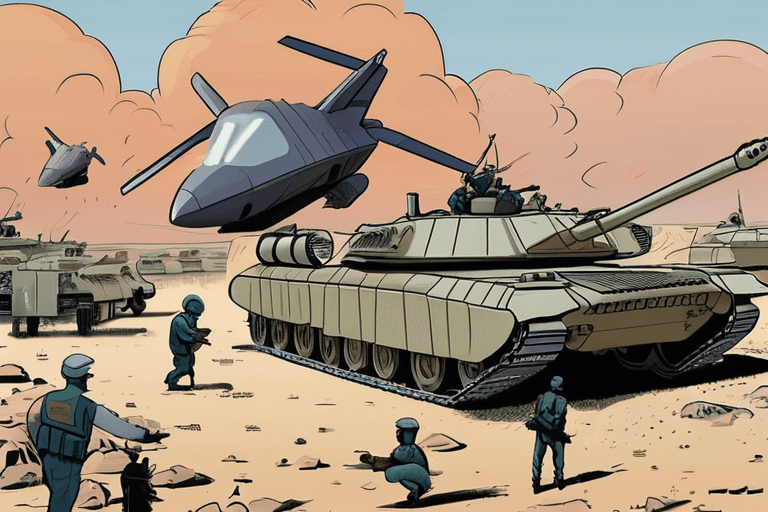
Nigeria provided intelligence to the United States that preceded U.S. military strikes against Islamic State militants in the northwest of the country on Christmas Day, according to Nigeria's foreign ministry. The disclosure followed a statement by former U.S. President Donald Trump on his Truth Social platform on Thursday, claiming responsibility for the strikes and asserting they targeted ISIS terrorists who were killing Christians.
Nigerian Foreign Minister Yusuf Tuggar told ChannelsTV that he had spoken with U.S. Secretary of State Marco Rubio, confirming Nigeria's role in providing intelligence. "We spoke twice. We spoke for 19 minutes," Tuggar said.
Trump's statement claimed the strikes were in response to the targeting of Christians. "Tonight, at my direction as Commander in Chief, the United States launched a powerful and deadly strike against ISIS Terrorist Scum in Northwest Nigeria, who have been targeting and viciously killing, primarily, innocent Christians, at levels not seen for many years, and even Centuries! I have previously warned these Terrorists that if they did not stop the slaughtering of Christians, there would be hell to pay, and tonight, there was. The Department of War executed numerous perfect strikes, as only the United States is capable of doing."
The U.S. military's involvement in Nigeria raises questions about the extent of counter-terrorism cooperation between the two nations, particularly given Nigeria's ongoing struggle with various Islamist militant groups, including Boko Haram and Islamic State West Africa Province (ISWAP), in the northeast. These groups have been responsible for widespread violence, displacement, and humanitarian crises affecting millions in the Lake Chad region.
The targeting of civilians, regardless of religious affiliation, by militant groups has been a persistent concern in Nigeria. While Trump's statement focused on the targeting of Christians, the conflict has affected people of various faiths and ethnicities. Some analysts suggest that framing the conflict along religious lines risks exacerbating existing tensions and undermining efforts to build national unity.
The Nigerian government has been working to combat terrorism through military operations, regional cooperation, and efforts to address the underlying socio-economic factors that contribute to radicalization. The extent to which the U.S. military will continue to be involved in counter-terrorism operations in Nigeria remains unclear. The U.S. government has not yet issued a formal statement.













Discussion
Join the conversation
Be the first to comment