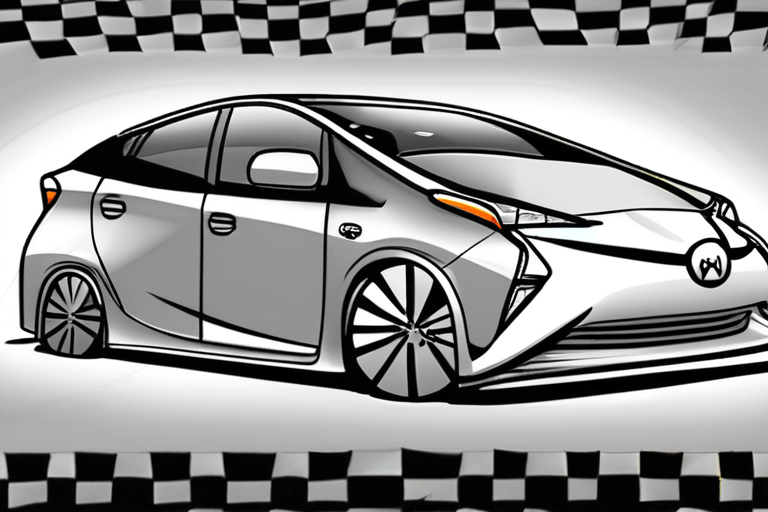
The Toyota Prius, a seemingly unassuming gas-electric hybrid, inadvertently sowed the seeds for todays politicized debate surrounding electric vehicles, according to industry experts. Launched in 2001, the Prius marked the beginning of a new era for Toyota, establishing the automaker's reputation for environmentally conscious vehicles.
In todays hyperpartisan climate, electric vehicles carry significant political and cultural weight, a stark contrast to what might have been. Supporters view them as crucial tools in combating climate change and bolstering American competitiveness, while others perceive them as government overreach, forcing consumers away from gasoline-powered cars. The involvement of figures like Elon Musk and his often-controversial social media presence has further complicated the landscape, leaving even Tesla loyalists uncertain.
Mike Murphy, a Republican strategist leading the EV Politics Project and EVs for All America, observed that electric vehicles have become so politicized that they are no longer simply seen as cars. "Its like were having political fights over toasters," he said.
The Prius's arrival 25 years ago signaled a shift in the automotive industry, introducing hybrid technology to a wider audience. While initially embraced for its fuel efficiency and environmental benefits, it also inadvertently laid the groundwork for the political divisions that now plague the electric vehicle market. The Prius became a symbol, embraced by some as a sign of environmental responsibility and derided by others as a symbol of liberal elitism.
The current state of electric vehicle adoption is marked by this deep political divide, with ongoing efforts to depoliticize the technology and promote its benefits across the political spectrum. Groups like the EV Politics Project are working to bridge this gap, emphasizing the economic and practical advantages of electric vehicles for all Americans.

















Discussion
Join the conversation
Be the first to comment