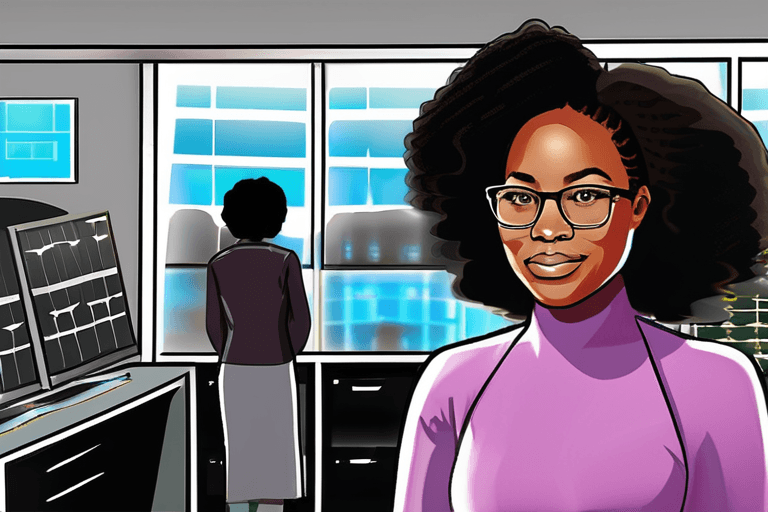
The recent graduate, let's call her Maya, stared at her screen, the glow reflecting in her tired eyes. Another rejection email. Another application lost in the digital abyss. Maya, like countless others, was navigating the brutal landscape of the modern job market, a place where talent often felt secondary to sheer luck. But what if luck wasn't so random after all? What if the key to unlocking career doors lay not just in qualifications, but in the often-overlooked power of human connection?
Scott Galloway, a marketing professor at NYU Stern and a seasoned entrepreneur, recently reignited this conversation on Shane Smith's Vice News podcast. His message was blunt, almost jarring in its simplicity: in today's competitive job market, being social isn't just a pleasant add-on, it's a strategic imperative. "Google puts out a job opening, they get 200 CVs within like eight minutes. They limit it down to the 20 most qualified. Seventy percent of the time, the person they pick is someone who has an internal advocate," Galloway stated.
Galloway's observation isn't just anecdotal; it reflects a broader truth about how hiring actually works. We live in an age of algorithms and automated systems, yet the human element stubbornly persists, even thrives. Studies consistently show that employee referrals, while representing a small fraction of total applications, account for a disproportionately large percentage of successful hires. This isn't necessarily about nepotism or unfair advantage. It's about trust, validation, and the inherent human tendency to favor the known over the unknown.
Think of it this way: a resume is a carefully curated highlight reel, designed to impress. But a personal connection, a word-of-mouth endorsement, offers something more profound – a glimpse into the candidate's character, work ethic, and cultural fit. It's the difference between reading a polished advertisement and hearing a trusted friend's recommendation.
The implications of Galloway's advice are far-reaching, particularly for young people just starting their careers. In a world increasingly mediated by screens, the art of genuine connection is becoming a lost one. Networking events can feel awkward and transactional. Social media, while offering the illusion of connection, often fosters superficial relationships.
But Galloway's message isn't about mastering the art of the schmooze. It's about cultivating authentic relationships, building a network based on mutual respect and shared interests. It's about actively engaging in your field, attending industry events, volunteering, and simply striking up conversations with people who inspire you.
"The way you achieve professional success as a young person," Galloway argues, lies in making connections in the real world first. This requires a shift in mindset, a conscious effort to prioritize human interaction over endless online applications. It means stepping outside your comfort zone, embracing vulnerability, and recognizing that every interaction is an opportunity to build a bridge.
Ultimately, Galloway's advice is a reminder that careers aren't built in isolation. They are forged in the crucible of human connection, nurtured by mentorship, and propelled by the power of advocacy. In a world obsessed with algorithms and automation, the human touch remains the most valuable asset of all. And for Maya, and others like her, that realization might just be the key to unlocking their full potential.





















Discussion
Join the conversation
Be the first to comment