The Maricopa County Board of Supervisors approved an amendment in early December to rezone a 2,000-acre property at Hassayampa Ranch for industrial use, paving the way for the construction of a large-scale AI data center. The unanimous vote occurred despite opposition from hundreds of residents of the ranch, located 50 miles west of Phoenix, who signed petitions against the project.
The development, spearheaded by Anita Verma-Lallian, who acquired the land in May 2025 for $51 million, is backed by significant tech investment, including from billionaire venture capitalists. The project highlights a growing trend of tech companies expanding their data center infrastructure into rural areas, driven by the increasing demands of artificial intelligence.
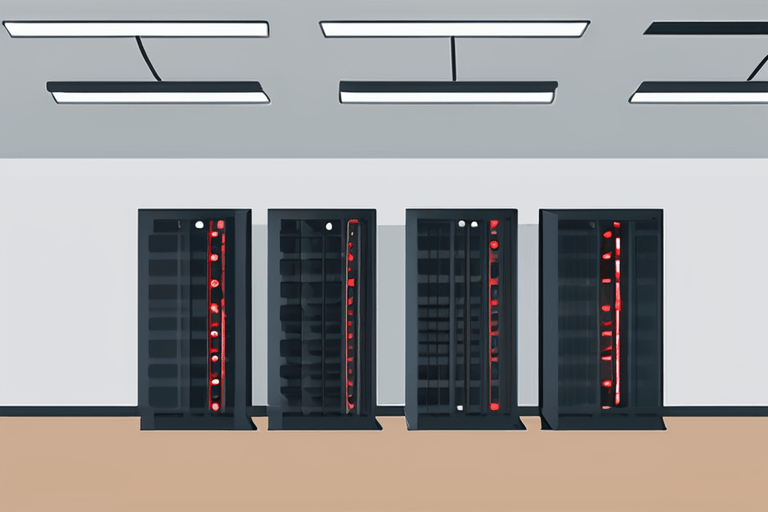
AI data centers are specialized facilities housing powerful computing hardware, primarily GPU (Graphics Processing Unit) racks, necessary for training and running AI models. These models, which underpin technologies like natural language processing, image recognition, and autonomous systems, require massive amounts of data and computational power. The resulting energy and water consumption of these centers raises concerns about their environmental impact, particularly in arid regions like Arizona.
The Hassayampa Ranch area, characterized by its desert landscape and small population drawn to its tranquility and stargazing opportunities, represents a stark contrast to the high-tech industry moving in. Residents fear the data center will disrupt their quiet way of life and strain local resources.
The expansion of AI and the infrastructure supporting it raises broader societal implications. As AI becomes more integrated into various sectors, from healthcare to finance, the demand for data and computing power will continue to grow. This growth necessitates the construction of more data centers, potentially leading to similar conflicts between tech companies and rural communities across the country. The ethical considerations surrounding resource allocation, environmental sustainability, and community impact are becoming increasingly important as AI technology advances.
The specific timeline for construction at Hassayampa Ranch remains unclear, but the rezoning approval marks a significant step forward for the project. Verma-Lallian and her investors are now positioned to begin developing the site, transforming a once-pristine desert landscape into a hub for AI infrastructure. The situation underscores the tension between technological progress and the preservation of rural communities and natural resources in the age of artificial intelligence.






Discussion
0 comments
Share Your Thoughts
Your voice matters in this discussion
Login to join the conversation
No comments yet
Be the first to share your thoughts!