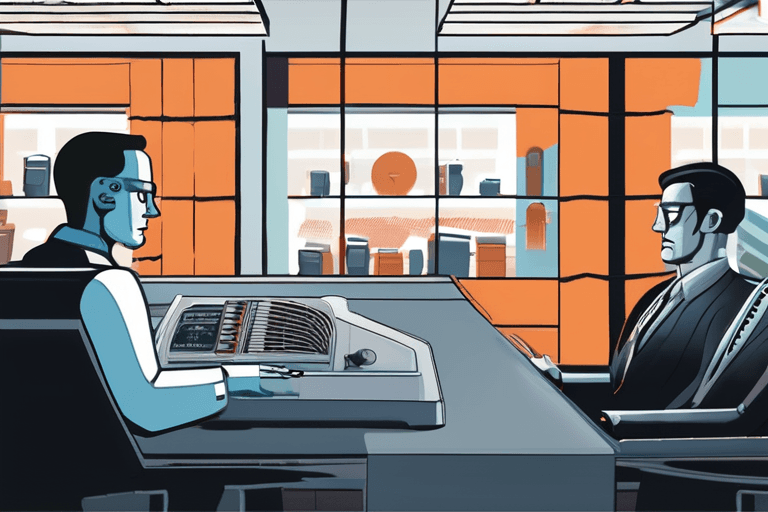
A worker detailed a three-year struggle with a manager in a letter to "Work Friend," a New York Times advice column, highlighting the detrimental effects of poor management on employee well-being and office productivity. The employee, who works in a satellite office for a U.S.-based company, described a situation where the manager, inexperienced in the region, consistently undermined their expertise and dismissed their input, leading to decreased morale and productivity.
The letter writer explained that the manager's actions, including undermining them in front of the team and disregarding their experience, created a toxic work environment. Colleagues now view the employee with pity, questioning their next steps. Despite attempts to address the issue with both the manager and upper management, no intervention occurred. According to the employee, upper management values the manager's "leadership potential" and allows her to learn from her mistakes, even at the expense of the team's well-being.
This situation reflects a broader issue of how management styles impact employee mental health and overall workplace efficiency. Experts in organizational psychology emphasize the importance of supportive and respectful leadership in fostering a positive work environment. A study published in the "Journal of Applied Psychology" found that employees who perceive their managers as supportive report lower levels of stress and higher job satisfaction.
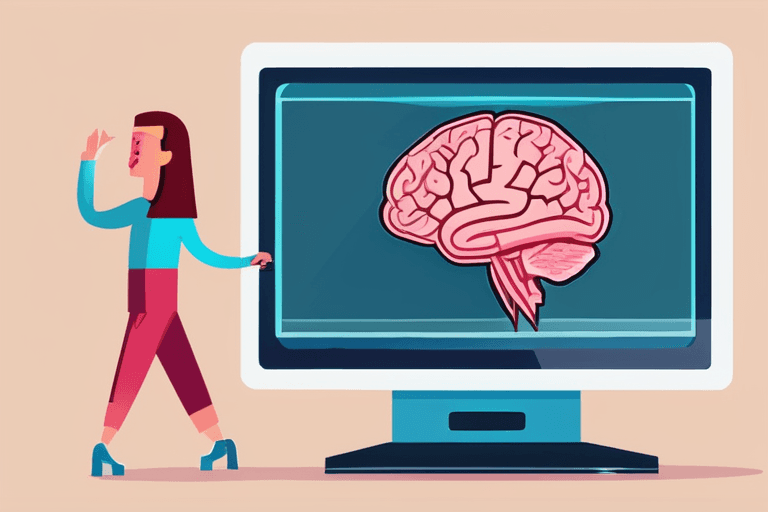
The rise of artificial intelligence (AI) in the workplace introduces new dimensions to this issue. AI-powered management tools are increasingly used to monitor employee performance, automate tasks, and even provide feedback. While these tools can enhance efficiency, they also raise concerns about data privacy, algorithmic bias, and the potential for dehumanization in the workplace.
For example, AI-driven surveillance systems can track employee activity, measuring keystrokes, monitoring emails, and analyzing facial expressions to assess engagement. Critics argue that such systems can create a climate of distrust and anxiety, leading to increased stress and burnout. Furthermore, algorithms used in performance evaluations may perpetuate existing biases, disadvantaging certain groups of employees.
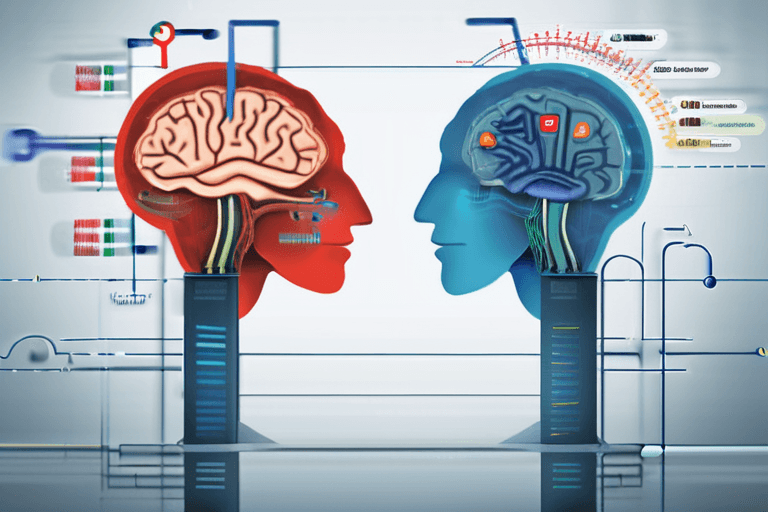
The development of "explainable AI" (XAI) aims to address some of these concerns by making AI decision-making processes more transparent and understandable. XAI techniques allow users to see how an AI system arrived at a particular conclusion, enabling them to identify and correct biases. However, XAI is still in its early stages, and its effectiveness in mitigating the negative impacts of AI on employee well-being remains to be seen.
As AI continues to transform the workplace, it is crucial for organizations to prioritize ethical considerations and ensure that technology is used in a way that supports employee well-being. This includes providing training on how to use AI tools effectively, establishing clear guidelines for data privacy, and fostering a culture of transparency and accountability. The employee in the "Work Friend" letter, now "done and counting down the months," serves as a stark reminder of the human cost of neglecting these critical aspects of modern management.


















Discussion
Join the conversation
Be the first to comment