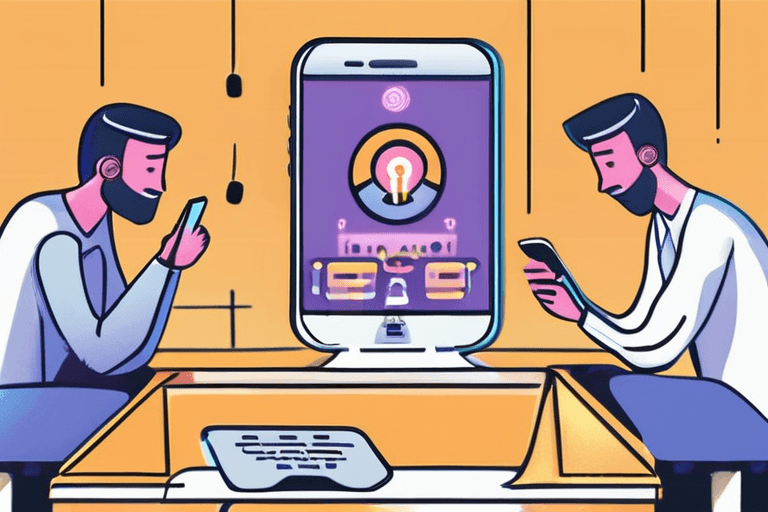
Australia's recent ban on social media for children under 16 has ignited a global conversation among parents, prompting many to consider whether similar measures are needed in their own countries. The debate is unfolding at school drop-offs, playgrounds, online forums, and group chats, fueled by concerns about the impact of platforms like TikTok and Instagram on young people.
The Australian law, enacted this month, has garnered significant support from parents within the country, according to surveys. However, some teenagers are reportedly exploring ways to circumvent the ban, such as using VPNs. This development highlights the challenges of enforcing such restrictions in a digitally connected world.
The global discussion reflects a growing unease among parents regarding their children's social media use. In Spain, one father expressed frustration with his teenage daughter's ability to bypass parental controls, leading him to advocate for a government ban on certain apps for children. His sentiment underscores the feeling of helplessness some parents experience when trying to manage their children's online activities.
In France, a mother of three voiced her concerns about the effects of social media on young people, stating she would delay giving her children smartphones until they reach the age of 15. However, she remained skeptical about the effectiveness of a government prohibition, suggesting that such measures might not be the ultimate solution.
A mother in Chile offered a different perspective, arguing that teaching children responsible social media usage is primarily the parents' responsibility, not the government's. This viewpoint emphasizes the importance of parental guidance and education in navigating the complexities of the digital landscape.
Several countries are now contemplating adopting legislation similar to Australia's. The Malaysian government has announced plans to bar children under 16 from social media starting in 2026. Denmark is also considering imposing stringent restrictions in Europe, potentially setting a new precedent for online child safety regulations. These potential actions signal a growing international trend toward stricter control over children's access to social media platforms.


















Discussion
Join the conversation
Be the first to comment