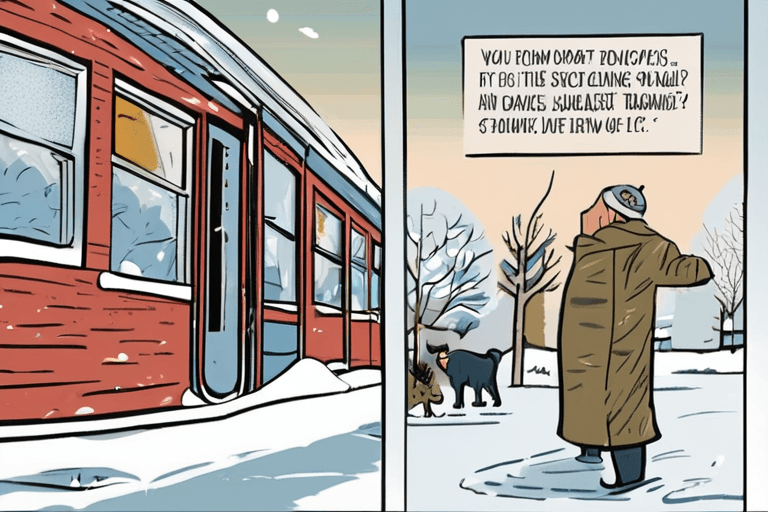
New York City experienced its heaviest snowfall in nearly four years, disrupting travel and prompting a state of emergency across more than half of New York State. Central Park recorded 4.3 inches (11 cm) of snow, the highest accumulation since January 2022, while other areas of the state saw up to 7.5 inches, according to the US National Weather Service (NWS).
The winter storm led to significant travel disruptions. FlightAware, a flight tracking website, reported over 900 flight cancellations, primarily in the New York area, and more than 8,000 delays nationwide on Saturday. New York Governor Kathy Hochul declared a state of emergency ahead of the storm's arrival.
Neighboring states also felt the impact of the weather system. New Jersey declared a state of emergency, and Connecticut experienced heavy snowfall, with Fairfield County recording 9.1 inches. The storm's effects extended from Syracuse in central New York to Long Island in the southeast.
Winter storms are a recurring phenomenon in the northeastern United States, often impacting transportation, infrastructure, and daily life. The region's proximity to both cold Arctic air masses and the Atlantic Ocean creates conditions conducive to heavy snowfall. Similar weather patterns affect other regions globally, such as northern Japan, which experiences heavy snowfall due to cold air masses from Siberia interacting with the Sea of Japan, and mountainous regions in Europe, where heavy snow can disrupt transportation and trigger avalanches.
The economic impact of winter storms can be substantial. Flight cancellations and delays affect tourism and business travel, while road closures disrupt supply chains and commerce. Governments and municipalities allocate resources for snow removal, emergency services, and public safety measures. The declaration of a state of emergency allows for the mobilization of resources and personnel to address the storm's impact.
While the worst of the storm had passed by Saturday morning, temperatures remained low. Authorities urged residents to exercise caution while traveling and to be aware of potential hazards such as icy roads and sidewalks. The long-term effects on transportation schedules and supply chains are still being assessed.
















Discussion
Join the conversation
Be the first to comment