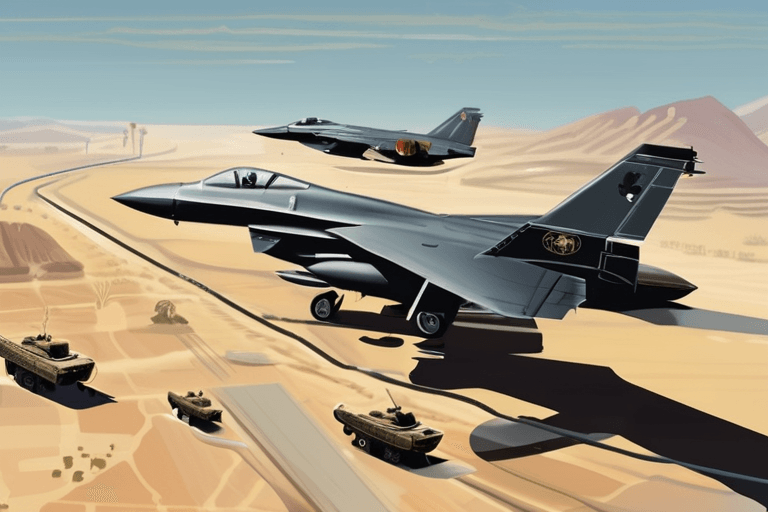
Trump told Politico he ordered the strikes as "a Christmas present," contradicting a statement by Nigerian officials. Casualty numbers remain unclear, but both U.S. and Nigerian officials confirmed militants were killed.
Nigerian Foreign Minister Yusuf Maitama Tuggar told the BBC the operation was a "joint operation" planned "for quite some time" using intelligence provided by Nigeria. He emphasized that the strikes had "nothing to do with a particular religion" or the Christmas holiday, despite Trump's assertion. Tuggar did not rule out the possibility of further strikes.
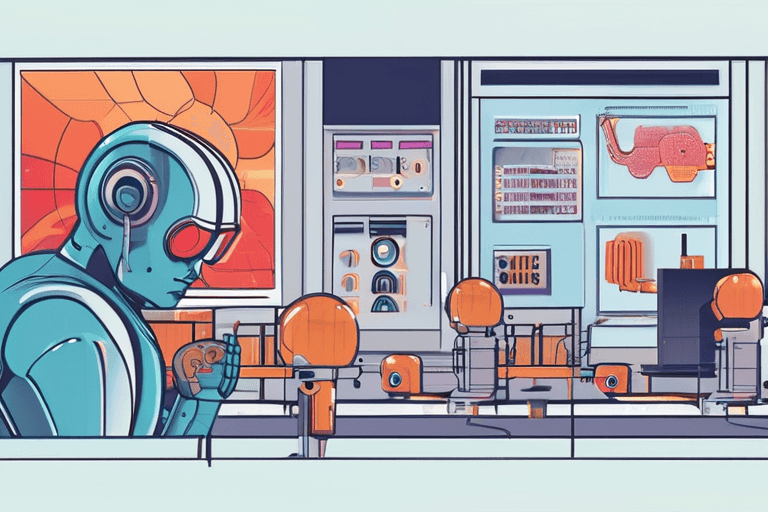
The U.S. military's involvement in Nigeria highlights the evolving landscape of counterterrorism efforts and the increasing role of artificial intelligence (AI) in military operations. AI algorithms are used to analyze vast amounts of data, including satellite imagery, social media posts, and communications intercepts, to identify potential targets and predict enemy movements. This data-driven approach aims to improve the precision and effectiveness of military strikes, while minimizing civilian casualties.
The use of AI in military decision-making raises ethical and societal implications. Algorithmic bias, for example, can lead to unintended discrimination and disproportionate targeting of certain populations. Transparency and accountability are crucial to ensure that AI systems are used responsibly and ethically in warfare.
The strikes in Nigeria also underscore the growing presence of IS-linked groups in West Africa. These groups have exploited political instability, poverty, and ethnic tensions to gain a foothold in the region. The U.S. and its allies are working with local governments to counter the spread of extremism through military assistance, development aid, and counter-radicalization programs.
The situation in northwestern Nigeria remains volatile. The Nigerian government faces numerous challenges in combating insurgency and maintaining security. The U.S. military continues to monitor the situation and assess the need for further action.




















Discussion
Join the conversation
Be the first to comment