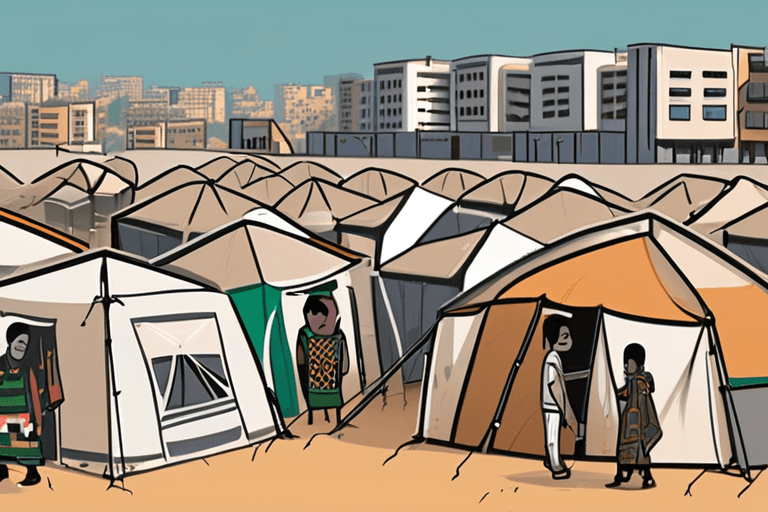
The severe weather compounds the suffering of Palestinians, many of whom have been displaced by two years of Israeli bombardment that has devastated much of the Gaza Strip. Makeshift tents, serving as temporary homes, offer little protection from the elements. The lack of adequate shelter leaves families exposed to the cold, damp conditions, raising concerns about the spread of disease and further hardship.
The situation highlights the vulnerability of displaced populations in conflict zones, where infrastructure is often damaged or destroyed, and access to basic necessities is limited. The ongoing conflict has severely hampered efforts to provide adequate housing and sanitation for those displaced, leaving them reliant on humanitarian aid.
The United Nations and other aid organizations have been working to provide assistance, but the scale of the need far exceeds available resources. The challenges of delivering aid are further complicated by ongoing security concerns and restrictions on movement within the Gaza Strip.
The Palestinian Journalists Union has accused Israel of attacking the press as a silencing policy. Recent events, including reported Israeli forces killing a Palestinian in Gaza and carrying out raids across the West Bank, add to the already tense environment. The situation is further complicated by reports of Israeli forces taking over homes and imposing lockdowns on the West Bank.
The long-term impact of the repeated displacement and exposure to harsh conditions on the physical and mental health of Palestinians is a growing concern. The lack of access to clean water, sanitation, and healthcare exacerbates the risks, particularly for vulnerable populations such as children and the elderly. The international community continues to monitor the situation and calls for increased humanitarian assistance and a lasting resolution to the conflict.





















Discussion
Join the conversation
Be the first to comment