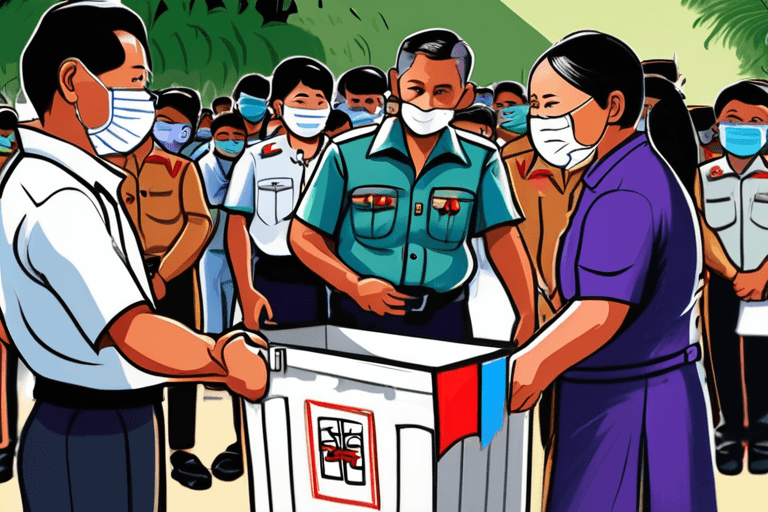
Voting began in Myanmar's heavily restricted election on Dec. 28, 2025, the first such event since the military coup in 2021 that ousted the democratically-elected government of Aung San Suu Kyi. The election process is taking place at polling stations across the country, including in Yangon, as reported by Al Jazeera's Tony Cheng.
The military junta, which seized power nearly five years ago, has stated that the election is a crucial step towards restoring stability and eventual civilian rule. However, the election has been widely criticized by international observers and pro-democracy groups as being neither free nor fair. Many opposition figures, including Aung San Suu Kyi, remain imprisoned or have been barred from participating.
The policies governing the election have been crafted by the military regime, leading to concerns about transparency and impartiality. The junta has defended its actions, claiming the previous government was riddled with corruption and that the coup was necessary to prevent further instability. Critics argue that the election is a sham designed to legitimize the military's continued rule.
"This election is a farce," said a spokesperson for the National Unity Government (NUG), a shadow government formed in opposition to the junta. "It is designed to entrench the military's power and silence the voices of the Myanmar people." The NUG has called for a boycott of the election and urged the international community not to recognize the results.
The international community remains divided on how to respond to the situation in Myanmar. Some countries have imposed sanctions on the military regime, while others have called for dialogue and a return to democracy. The United Nations has repeatedly condemned the violence and human rights abuses perpetrated by the military.
The outcome of the election and its impact on the future of Myanmar remain uncertain. The military has promised to hand over power to a civilian government after the election, but many observers doubt its sincerity. The ongoing conflict between the military and various ethnic armed groups further complicates the situation. The next steps will likely involve monitoring the post-election environment and assessing the legitimacy and acceptance of the newly formed government, both domestically and internationally.

















Discussion
Join the conversation
Be the first to comment