Imagine turning back the clock on human cells, not just to their earliest form, but to a state even more primal than previously thought possible. That's the ambition driving cutting-edge research in stem cell biology, and a recent correction in Nature highlights the meticulous, and sometimes challenging, path of scientific discovery in this rapidly evolving field. The correction addresses the animal study and ethics statement section of the methods, clarifying the oversight and approval processes involved in creating human-mouse chimeras and human blastoids. While seemingly minor, this correction underscores the critical importance of rigorous ethical oversight and transparency in research that pushes the boundaries of what's possible with human cells.
The field of stem cell research holds immense promise for regenerative medicine, disease modeling, and even understanding the very origins of life. Pluripotent stem cells, like embryonic stem cells (ESCs), are capable of differentiating into any cell type in the body. Scientists have long sought to harness this potential to repair damaged tissues, create personalized therapies, and study the development of diseases in a dish. However, the journey from basic research to clinical application is fraught with challenges, both technical and ethical.
One of the most exciting frontiers in stem cell research involves pushing the boundaries of pluripotency. Researchers are exploring ways to rewind cells to even earlier stages of development, potentially unlocking new avenues for creating specialized cell types and understanding the fundamental processes that govern early embryonic development. The research referenced in the Nature correction focuses on rolling back human pluripotent stem cells to an eight-cell embryo-like stage, a state of totipotency where cells have the potential to form not only all the tissues of the body, but also the placenta.
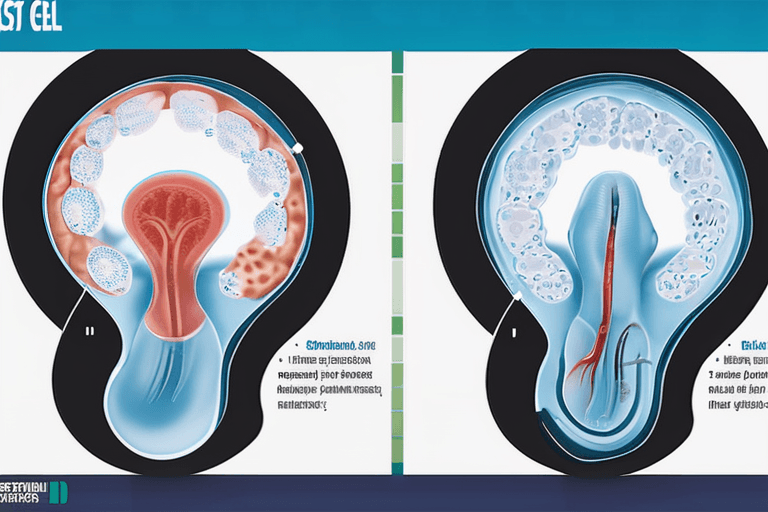
Creating human-mouse chimeras and human blastoids are crucial steps in this research. Chimeras, organisms composed of cells from different species, allow scientists to study how human cells behave in a living organism. Blastoids, on the other hand, are three-dimensional, embryo-like structures created in vitro from stem cells. They offer a powerful tool for studying early human development without the need for actual embryos.
The Nature correction, while seemingly a minor detail, highlights the intense scrutiny and ethical considerations surrounding this type of research. The original article's Animal study and ethics statement section of the Methods has been corrected to reflect the proper ethical oversight. It clarifies that the Animal Care and Use Committee and Human Subject Research Ethics Committee under license numbers IACUC2016012 and GIBH-IRB2020-034, respectively, of the Guangzhou Institutes of Biomedicine and Health, approved and followed up on the human-mouse chimera and human blastoid experiments. These committees, comprised of scientists, doctors, and lawyers, evaluated the rationale, origins, consent, and investigator qualifications.
"Ethical oversight is paramount in stem cell research, especially when dealing with human cells and animal models," explains Dr. Anya Sharma, a bioethicist specializing in stem cell research. "Corrections like this demonstrate the commitment of the scientific community to transparency and accountability."
The implications of being able to reliably rewind human cells to an eight-cell embryo-like stage are far-reaching. Imagine the ability to create perfectly matched tissues for transplantation, eliminating the risk of rejection. Or the possibility of modeling genetic diseases in a dish, allowing scientists to test new therapies and understand the underlying mechanisms of disease.
Companies like StemCell Technologies and Thermo Fisher Scientific are already playing a crucial role in this research by providing researchers with the tools and reagents they need to manipulate stem cells and create complex cellular models. StemCell Technologies, for example, offers specialized media and growth factors that support the maintenance and differentiation of pluripotent stem cells. Thermo Fisher Scientific provides a range of products for gene editing and cell analysis, enabling researchers to precisely control the fate of stem cells and study their behavior in detail.
Looking ahead, the field of stem cell research is poised for even greater advances. As scientists continue to refine their techniques for manipulating stem cells and understanding the complex processes that govern early development, the potential for new therapies and breakthroughs will only continue to grow. The Nature correction serves as a reminder that scientific progress is not always a linear path, but rather a process of continuous refinement and improvement, guided by ethical principles and a commitment to transparency. The ability to roll back human cells to their earliest form holds immense promise, but it also demands careful consideration and responsible innovation.




















Discussion
Join the conversation
Be the first to comment