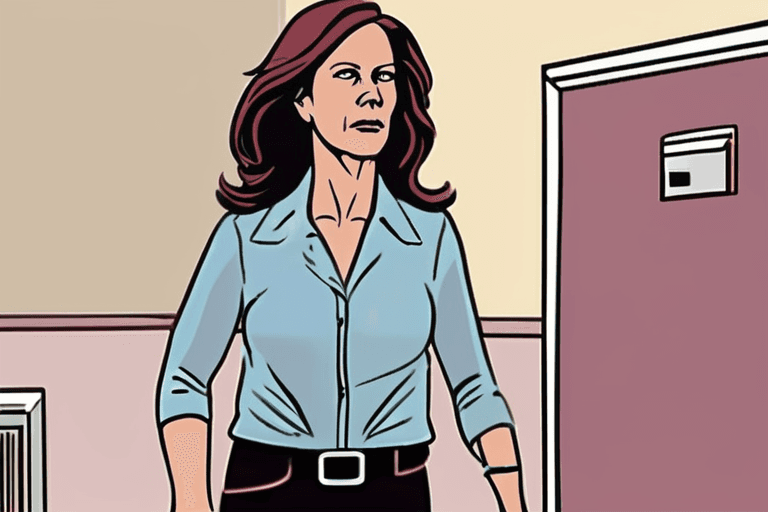
A chill wind whispers through the digital graveyard, carrying with it the first glimpse of Huma Qureshi as Elizabeth in Yash's upcoming film, "Toxic: A Fairytale for Grown-Ups." The image, released by KVN Productions and Monster Mind Creations, depicts Qureshi in a striking black gown, standing beside a classic car against the somber backdrop of a cemetery. It's a visual feast, but beyond the gothic glamour lies a deeper question: how are filmmakers leveraging AI to craft such compelling narratives and what does it mean for the future of storytelling?
The entertainment industry is undergoing a seismic shift, fueled by advancements in artificial intelligence. From scriptwriting tools that analyze audience preferences to AI-powered visual effects that blur the line between reality and imagination, the technology's influence is undeniable. In the case of "Toxic," while the extent of AI's involvement remains undisclosed, the very concept of a "fairytale for grown-ups" suggests a narrative complexity that could benefit from AI-driven analysis of archetypes and thematic resonance.
The image of Qureshi as Elizabeth is a masterclass in visual storytelling. The subdued color palette, the funereal location, and the intricate design of her costume all contribute to a sense of underlying darkness. This careful construction of character through visual cues is an area where AI is making significant inroads. AI algorithms can analyze thousands of images and videos to identify patterns and trends in character design, helping filmmakers create visually compelling and emotionally resonant characters. Imagine an AI that can predict the optimal color palette to evoke a specific emotion in the viewer, or suggest costume designs that align with a character's psychological profile.
"AI is not just a tool; it's a collaborator," says Dr. Anya Sharma, a leading researcher in AI and cinematic arts at the University of California, Los Angeles. "It can augment human creativity by providing insights and suggestions that might otherwise be missed. However, it's crucial to remember that AI is only as good as the data it's trained on. Biases in the data can lead to biased outcomes, so it's essential to ensure that AI systems are developed and used responsibly."
The implications of AI in filmmaking extend beyond character design. AI-powered tools are now being used for everything from automated editing and color correction to generating realistic special effects and even creating entirely virtual actors. This raises important questions about the role of human artists and the potential for job displacement. While some fear that AI will replace human creativity, others believe that it will simply free up artists to focus on more creative and strategic tasks.
As "Toxic" prepares to unveil its full narrative, the first look at Huma Qureshi as Elizabeth serves as a potent reminder of the evolving landscape of filmmaking. The film, with its blend of old-world glamour and gothic menace, promises a complex and engaging story. And behind the scenes, AI is quietly shaping the future of how such stories are conceived, crafted, and brought to life. The question is not whether AI will play a role in filmmaking, but how we can harness its power to create more compelling, thought-provoking, and ultimately, more human stories.














Discussion
Join the conversation
Be the first to comment