President Trump, after initially appearing to take a hard line against Big Tech, has in recent months enacted policies that heavily favor the industry, granting them significant wins on issues ranging from artificial intelligence chip exports to cryptocurrency regulation. This shift comes after tech leaders made concerted efforts to court the administration through inauguration donations and meetings with the president at Mar-a-Lago.
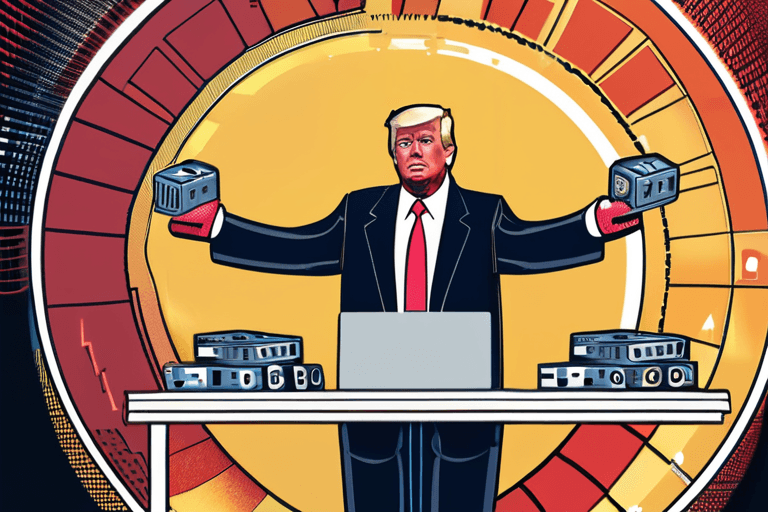
The reversal began in the summer, with the Trump administration easing restrictions on the export of AI chips, a move that directly benefits companies like Nvidia. These chips are crucial for training and operating advanced AI models, and the restrictions had hampered the ability of U.S. companies to compete globally. "The elimination of these limits is a game-changer," said a spokesperson for the Semiconductor Industry Association. "It allows American companies to fully participate in the rapidly growing AI market."
Furthermore, the administration has expedited the approval process for building new data centers, which are essential infrastructure for AI development. Data centers house the powerful computers needed to process the vast amounts of data required for training AI models. This fast-tracking is expected to significantly reduce the time and cost associated with expanding AI infrastructure in the United States.
In addition to AI-related policies, President Trump also pushed for legislation that provides government approval for a specific type of cryptocurrency. While the details of the legislation remain somewhat vague, industry analysts believe it will provide a more stable regulatory environment for cryptocurrency companies operating in the U.S.
This month, President Trump signed an executive order that nullifies state-level AI regulations, arguing that a patchwork of different rules would stifle innovation. The order aims to create a uniform national standard for AI regulation, which tech companies have long advocated for. The administration also greenlit the sale of a more powerful Nvidia chip to China, a decision that had previously been blocked due to national security concerns. This move is expected to generate significant revenue for Nvidia while also potentially accelerating AI development in China.
The initial stance of the Trump administration suggested a continuation of previous concerns regarding the power and influence of Big Tech. Early in his term, President Trump vowed to pursue the breakup of Meta, citing antitrust concerns. He also imposed tariffs that would have increased costs for companies like Apple, which rely on global supply chains.
The recent policy shifts have raised concerns among some lawmakers and advocacy groups, who argue that the administration is prioritizing the interests of Big Tech over the public good. Critics point to the potential risks associated with unrestricted AI development and the lack of transparency surrounding cryptocurrency regulation. The long-term implications of these policy changes remain to be seen, but they are likely to shape the future of the tech industry for years to come.




















Discussion
Join the conversation
Be the first to comment