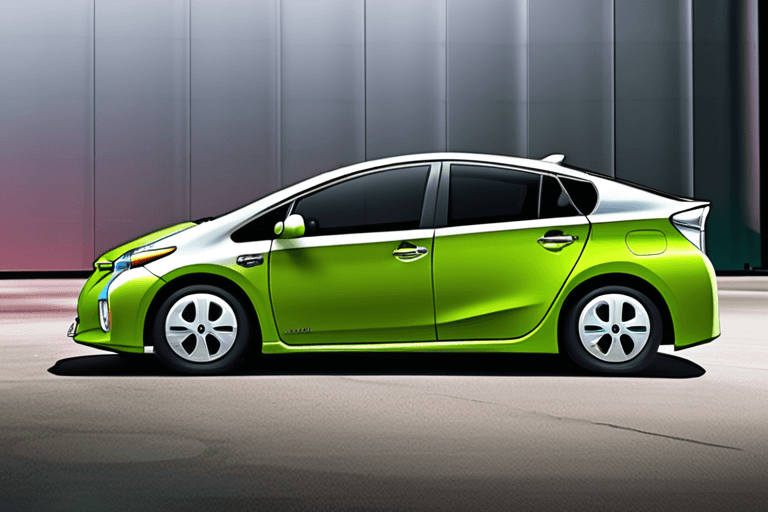
The Toyota Prius, a seemingly unassuming gas-electric hybrid, may have inadvertently sown the seeds of today's politically charged debate surrounding electric vehicles, according to industry experts. Launched in 2001, the Prius marked the beginning of a new era for Toyota and hybrids in general, but also, perhaps, the start of a cultural divide that now casts EVs as more than just cars.
In a hyperpartisan climate, electric vehicles have become laden with political and cultural baggage. Supporters often see them as crucial tools in combating climate change and bolstering American automakers, while critics view them as government overreach, forcing consumers away from gasoline-powered vehicles. The presence of figures like Elon Musk, with his often controversial social media activity, further complicates the narrative, leaving even Tesla loyalists uncertain.
Mike Murphy, a Republican strategist leading the EV Politics Project and EVs for All America, observes that EVs have become so politicized that they are no longer simply viewed as cars. "It's like we're having political fights over toasters," he said.
The Prius, with its distinctive, boxy design, initially attracted environmentally conscious consumers. Toyota successfully cultivated a reputation for innovation and eco-friendliness. However, this association with environmentalism also inadvertently positioned the car, and later EVs in general, within a specific ideological framework.
The increasing polarization of environmental issues has contributed to the current climate. What was once a relatively bipartisan concern has become a battleground, with electric vehicles often serving as a symbol of broader political and cultural divides. The Prius, in its early days, was not explicitly a political statement, but it became associated with a particular set of values and beliefs.
The future of electric vehicles hinges, in part, on depoliticizing the technology. Efforts like Murphy's EV Politics Project aim to bridge the divide and foster a more inclusive conversation about the benefits and challenges of electric transportation. Whether these efforts will succeed in the current political landscape remains to be seen.


















Discussion
Join the conversation
Be the first to comment