Ahmed told BBC News that he would not be "bullied," praising the judge's decision. He described the preceding days as "rather confusing."
The Trump administration had accused Ahmed and four others of attempting to "coerce" tech platforms into censoring free speech, leading to their visa denials. Rubio stated online that the individuals were blocked due to concerns they organized efforts to pressure U.S. platforms to censor and "punish American viewpoints they oppose."
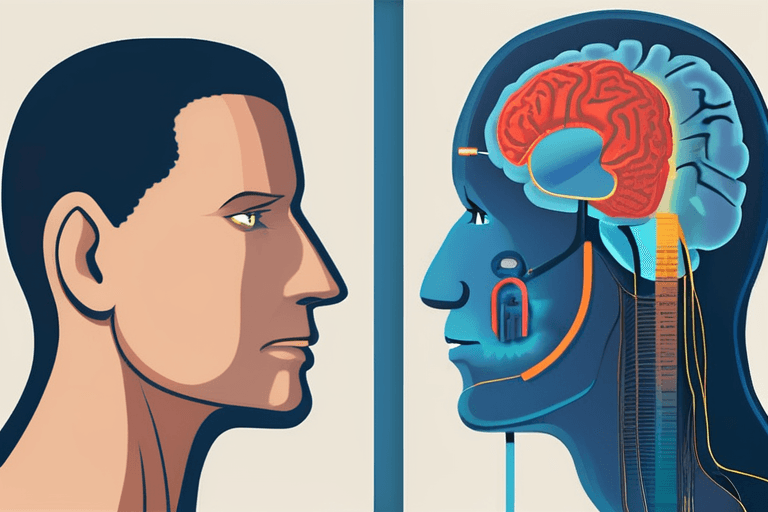
The case highlights the complex intersection of artificial intelligence, content moderation, and freedom of speech. Organizations like the Center for Countering Digital Hate utilize AI to identify and analyze harmful content online, including hate speech and disinformation. Their work often involves flagging content for social media platforms, which then make decisions about removal or restriction based on their own policies and algorithms.
The debate surrounding content moderation raises questions about algorithmic bias, transparency, and accountability. AI algorithms, trained on vast datasets, can inadvertently reflect and amplify existing societal biases, leading to discriminatory outcomes in content moderation. Critics argue that these biases can disproportionately affect marginalized communities and stifle legitimate expression.
European leaders previously defended the work of organizations monitoring online content, signaling a divergence in perspectives between the U.S. and Europe on the role of tech platforms and the regulation of online speech. The legal challenge filed by Ahmed underscores the ongoing tension between efforts to combat online hate and concerns about censorship and viewpoint discrimination. The case remains ongoing, and further legal proceedings are expected.



















Discussion
Join the conversation
Be the first to comment