In the heart of Ukraine, amidst endless fields that stretch to the horizon, lies a relic of a bygone era – the Museum of Strategic Missile Forces. Once a top-secret Soviet intercontinental ballistic missile launch site, it now stands as a stark monument to a decision that Ukrainians increasingly view as a profound misstep: the dismantling of their nuclear arsenal in the years following the collapse of the Soviet Union.
The museum, located near the village of Pobuzke, isn't just a collection of Cold War hardware. It's a visceral reminder of a complex geopolitical calculation made in the early 1990s, a time of both immense hope and uncertainty. As the Soviet Union crumbled, Ukraine inherited the world's third-largest nuclear stockpile, a legacy of its strategic importance within the Soviet military machine. The newly independent nation faced immense pressure from the international community, particularly the United States, to relinquish these weapons.
The promise was security. In exchange for denuclearization, Ukraine received assurances from the U.S., Britain, and Russia – enshrined in the Budapest Memorandum of 1994 – that its sovereignty and territorial integrity would be respected. This agreement, intended to usher in a new era of peace and cooperation, now hangs heavy with irony in the face of Russia's ongoing aggression.
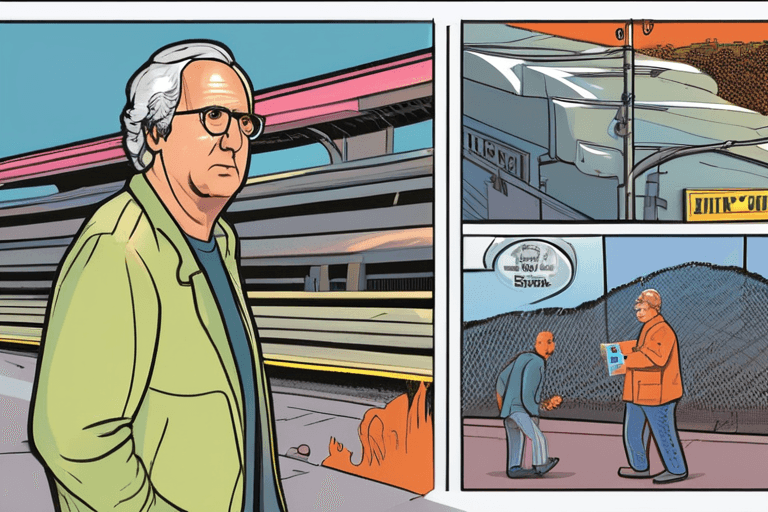
Hennadiy Vladimirovitch Fil, a 65-year-old former deputy commander of the Soviet Union's 309th Missile Regiment, now works as a guide at the museum. Standing near a hulking Soviet air defense missile, he embodies the conflicting emotions that many Ukrainians feel. He remembers a time when Ukraine possessed immense military power, a deterrent that, in retrospect, might have prevented the current conflict.
"We believed in the promises," Fil says, his voice tinged with regret. "We believed that the world would be a safer place without these weapons. We were wrong."
The decision to denuclearize was driven by a confluence of factors. Ukraine faced significant economic challenges in the early 1990s and lacked the resources to maintain and modernize its nuclear arsenal. There were also concerns about the safety and security of these weapons, particularly given the political instability in the region. The international pressure, coupled with the allure of economic assistance and security guarantees, proved decisive.
However, the subsequent annexation of Crimea in 2014 and the full-scale invasion in 2022 shattered the illusion of security. The Budapest Memorandum, once hailed as a landmark achievement in nuclear disarmament, is now widely seen as a broken promise.
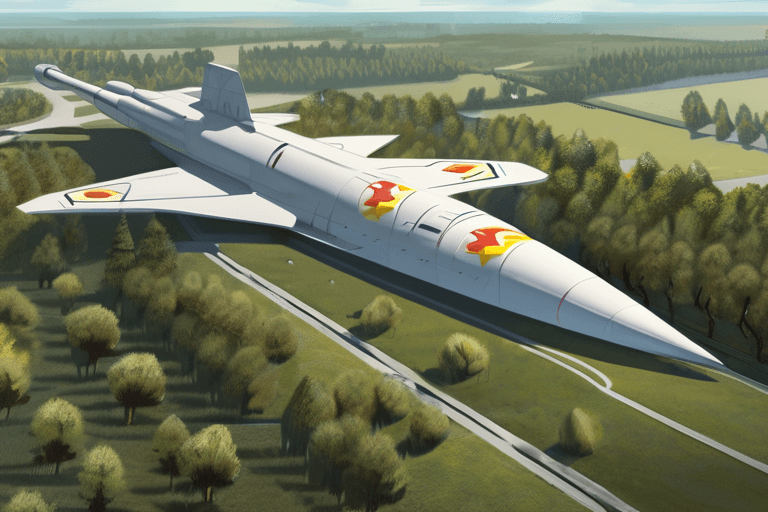
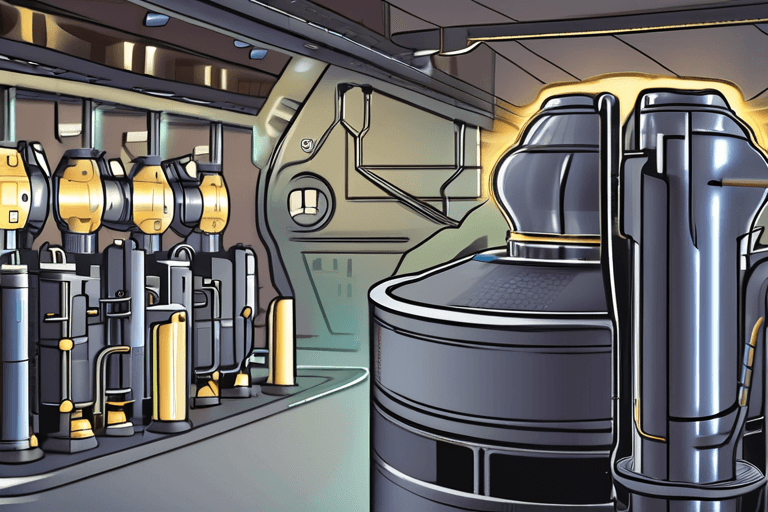
The museum serves as a focal point for this disillusionment. Visitors, many of whom are too young to remember the Soviet era, walk through the exhibits with a sense of anger and betrayal. They see the massive SS-18 intercontinental ballistic missile, capable of delivering nuclear warheads to targets thousands of miles away, and wonder what might have been.
The debate over Ukraine's denuclearization is not confined to Ukraine itself. It has sparked a global conversation about the credibility of international security guarantees and the role of nuclear weapons in deterring aggression. Some analysts argue that Ukraine's experience demonstrates the inherent dangers of disarmament, particularly in a world where great power competition persists. Others maintain that nuclear proliferation would only increase the risk of global catastrophe.
As the war in Ukraine continues, the Museum of Strategic Missile Forces stands as a potent symbol of lost opportunities and broken promises. It is a bitter reminder of the choices Ukraine made in the past and a stark warning about the fragility of international security in the present. The question now is whether the international community can learn from this history and build a more robust framework for peace and security in the future. The fields of Pobuzke, once silent witnesses to Cold War tensions, now echo with the urgent need for a new global order, one where promises are kept and sovereignty is truly respected.














Discussion
Join the conversation
Be the first to comment