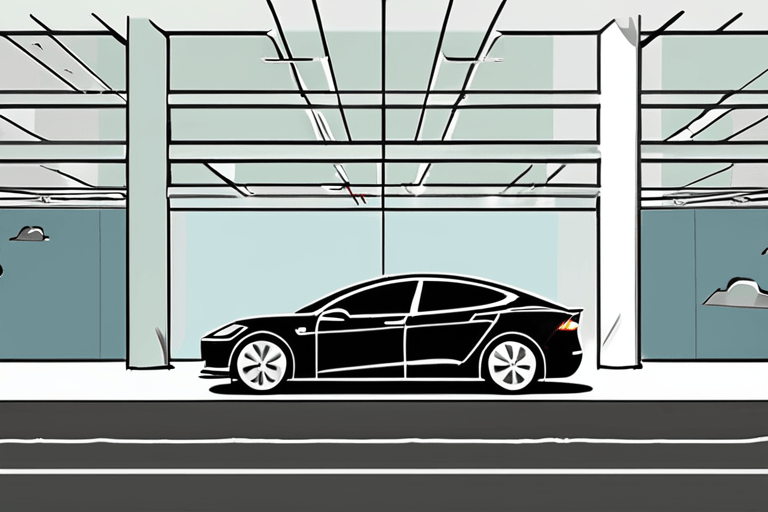
Tesla is striving to maintain its position as a major player in the self-driving car market, even as the technology advances and competition intensifies. This ambition raises questions about whether the company is prioritizing innovation over safety, particularly regarding the use of its self-driving software.
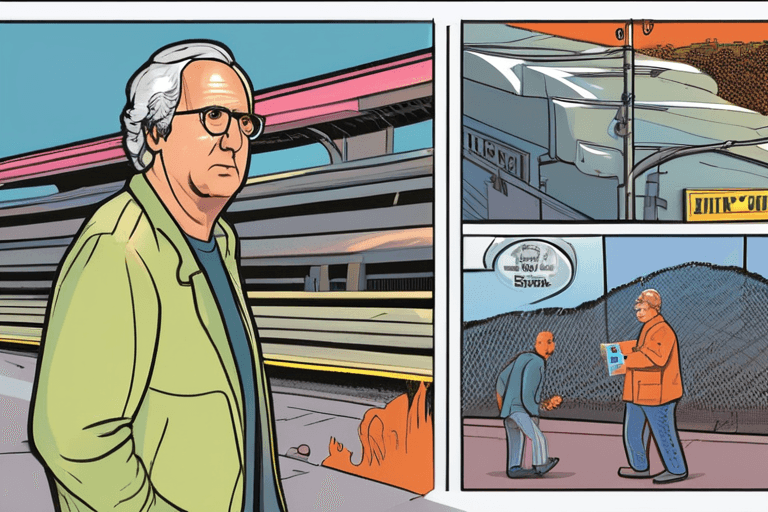
Geoff Perlman, a technology executive from Texas, recently tested Tesla's latest self-driving software in Austin. Perlman found the software impressive, noting its ability to handle complex lane changes and parking scenarios more effectively than many human drivers. He even considered recommending the $8,000 upgrade to his 89-year-old father-in-law to assist with age-related driving challenges. However, Perlman remains cautious about fully entrusting the system, stating that he keeps his eyes on the road and refrains from texting while the software is engaged. "Staring at the phone when you're in a several thousand pound vehicle travelling down the highway at this point seems crazy to me," he said.
Tesla CEO Elon Musk has expressed a different viewpoint. Last month, he told investors that the company would closely monitor safety statistics but intends to "allow you to text and drive essentially." This statement, made on X, has sparked debate about the appropriate level of driver engagement in self-driving vehicles.
The core of the debate centers on the capabilities and limitations of Tesla's "Full Self-Driving" (FSD) system. Despite its name, FSD is classified as Level 2 automation by the Society of Automotive Engineers (SAE). This means the system can control steering and acceleration, but requires active driver supervision. Drivers must remain attentive and be prepared to intervene at any moment. Allowing texting while using such a system could significantly impair driver response time in critical situations.
Industry experts emphasize that Level 2 automation is not designed to replace human drivers entirely. The technology is intended to assist drivers and enhance safety, not to enable distracted driving. Critics argue that Tesla's approach could create a false sense of security, leading drivers to overestimate the system's capabilities and underestimate the need for vigilance.
Currently, Tesla's FSD system is available as an optional upgrade. The company continues to collect data and refine the software through real-world testing. The question of whether to allow texting while using the system remains under evaluation, with Musk indicating that safety statistics will play a crucial role in the final decision. The outcome of this evaluation could have significant implications for the future of self-driving technology and the balance between innovation and safety.









Discussion
Join the conversation
Be the first to comment