Imagine turning back the clock on human cells, not just to their earliest beginnings, but to a specific, fleeting moment in development – the eight-cell stage. That's the ambition driving research into human pluripotent stem cells, and a recent correction in Nature highlights the ongoing refinement and ethical considerations surrounding this cutting-edge field. While the correction itself addresses procedural details in animal studies and ethics statements, it underscores the complex landscape researchers navigate as they push the boundaries of developmental biology.
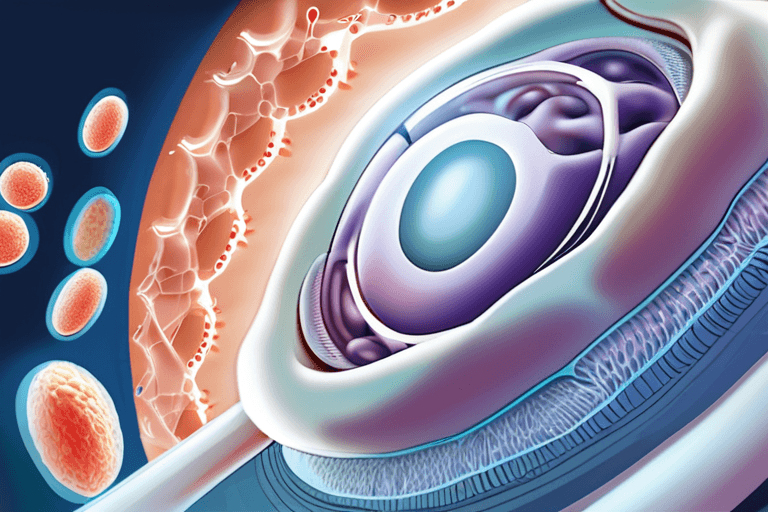
The promise of pluripotent stem cells lies in their ability to become any cell type in the body. This potential holds immense therapeutic value, offering the possibility of generating replacement tissues and organs for patients suffering from a wide range of diseases. Embryonic stem cells (ESCs), derived from the inner cell mass of a blastocyst, were the first type of pluripotent stem cell discovered. However, their use raises ethical concerns due to the destruction of embryos. Induced pluripotent stem cells (iPSCs), generated by reprogramming adult cells, offer an alternative, bypassing the need for embryos.
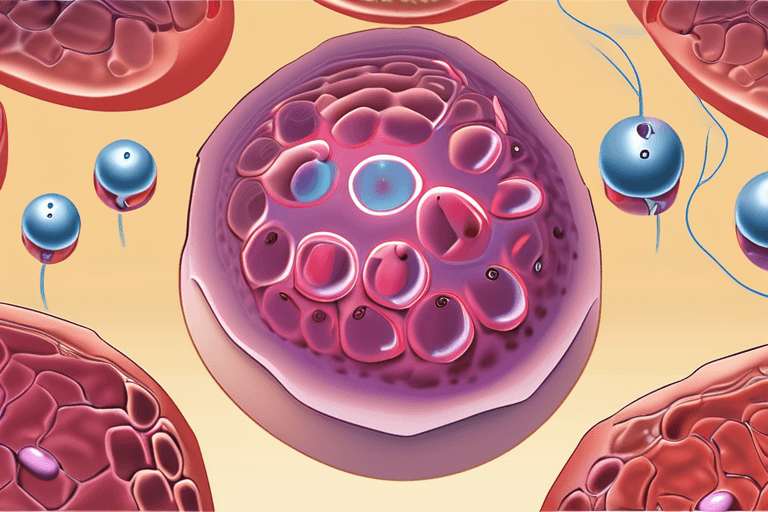
The research referenced in the Nature correction focuses on pushing pluripotency even further back, aiming to recreate cells that resemble the totipotent cells of the eight-cell embryo. Totipotency represents the ultimate state of cellular potential – a cell capable of forming not only all the tissues of the body, but also the extraembryonic tissues like the placenta. Achieving this in the lab could unlock new insights into early development and potentially lead to more efficient methods for generating specific cell types for regenerative medicine.
The original article, published in March 2022, detailed experiments involving human-mouse chimeras and human blastoids, which are embryo-like structures created in vitro. The correction clarifies the ethical oversight of these experiments, specifying the committees involved and their evaluation process. It states that the Animal Care and Use Committee and Human Subject Research Ethics Committee under license numbers IACUC2016012 and GIBH-IRB2020-034, respectively, of the Guangzhou Institutes of Biomedicine and Health, approved and followed up on the experiments. These committees, composed of scientists, doctors, and lawyers, assessed the rationale, origins of human materials, and investigator qualifications.
"Ethical considerations are paramount in this field," explains Dr. Anya Sharma, a stem cell biologist at the University of California, San Francisco, who was not involved in the original study. "Working with human embryos and embryo-like structures requires rigorous oversight and transparency. Corrections like this one in Nature are a crucial part of maintaining public trust and ensuring responsible research practices."
The creation of eight-cell embryo-like cells, while still in its early stages, has significant implications for the biotechnology industry. Companies specializing in cell therapies and regenerative medicine are closely watching these developments. The ability to generate cells with enhanced developmental potential could lead to more efficient and effective cell-based therapies. Furthermore, these cells could be used to create more accurate models for drug discovery and toxicity testing, reducing the reliance on animal models.
One example of a company working in this space is Vertex Bio, which is developing cell therapies for type 1 diabetes. While they are not directly working with totipotent stem cells, their research benefits from the advancements in understanding early human development. "The more we understand about the fundamental processes of cell differentiation, the better we can engineer cells for therapeutic purposes," says Dr. Ben Carter, a senior scientist at Vertex Bio.
Looking ahead, the field of pluripotent stem cell research is poised for continued growth and innovation. The development of new tools and technologies, such as advanced gene editing techniques and sophisticated bioreactors, will further accelerate progress. However, ethical considerations will remain at the forefront, requiring ongoing dialogue and collaboration between scientists, ethicists, and policymakers. The journey to unlock the full potential of human stem cells is a complex one, but the potential rewards for human health are immense. The Nature correction serves as a reminder of the importance of rigor, transparency, and ethical responsibility in this transformative field.















Discussion
Join the conversation
Be the first to comment