Ahmed Najar, writing in late December 2025, highlighted the case of a children's educator, identified as Ms. Rachel, who was branded "Anti-Semite of the Year" for expressing concern for Palestinian children affected by the conflict. Najar argues that this labeling occurred not because of any hateful rhetoric, but because Ms. Rachel acknowledged the suffering of children in Gaza, who, according to her statements, were being "bombed, starved, and traumatised."
This phenomenon raises complex questions about the intersection of free speech, political discourse, and the sensitive issue of anti-Semitism. The International Holocaust Remembrance Alliance (IHRA) definition of anti-Semitism, which has been adopted by many countries and organizations, includes certain criticisms of Israel that could be considered anti-Semitic. However, critics argue that this definition is sometimes used to stifle legitimate criticism of Israeli policies.
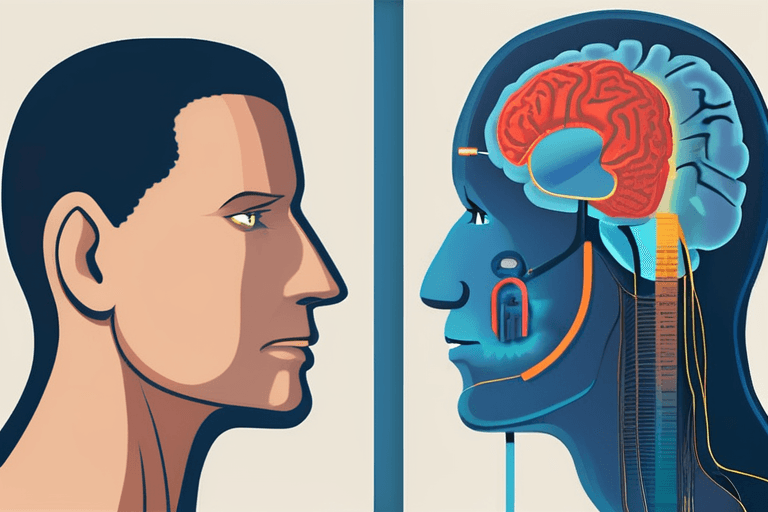
The debate also touches upon the capabilities and limitations of AI in identifying and classifying hate speech. AI algorithms are increasingly used to moderate online content and detect hate speech, but they can struggle with nuanced language and context. This can lead to the misclassification of legitimate political commentary as hate speech, particularly in the context of the Israeli-Palestinian conflict.
The implications of this trend extend beyond online discourse. The criminalization of solidarity with Palestinians, as Najar describes it, can have a chilling effect on activism and advocacy. Individuals and organizations may be hesitant to speak out in support of Palestinian rights for fear of being labeled anti-Semitic and facing social or professional repercussions.
The current status of this issue remains contentious. Proponents of the IHRA definition argue that it is a necessary tool for combating anti-Semitism, while critics maintain that it is being used to silence legitimate criticism of Israel. The debate is likely to continue, with ongoing discussions about the balance between free speech, political discourse, and the fight against hate speech. Future developments may include further refinement of AI algorithms to better distinguish between legitimate criticism and anti-Semitism, as well as ongoing legal challenges to the application of the IHRA definition.
















Discussion
Join the conversation
Be the first to comment