Sajedi's analysis revealed that individuals typically consume between 39,000 and 52,000 microplastic particles annually through food and drinking water. The additional intake from daily bottled water consumption significantly increases this number. Sajedi was inspired to conduct the research after observing plastic debris, particularly from plastic bottles, on a beach in Phi Phi Island, Thailand. This experience led her to shift her focus from environmental software to researching the effects of plastic consumption.
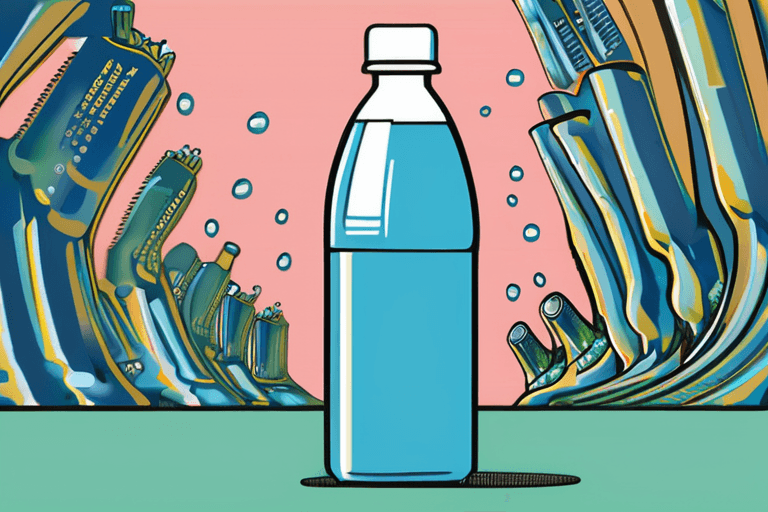
Microplastics are small plastic particles, typically less than 5 millimeters in size, that result from the degradation of larger plastic items. These particles can enter the environment through various sources, including the breakdown of plastic bottles, industrial waste, and the washing of synthetic textiles. The presence of microplastics in drinking water, including bottled water, has become a growing concern.
While the long-term health effects of microplastic ingestion are still under investigation, some studies suggest potential risks. Microplastics can act as carriers for harmful chemicals and pathogens, potentially leading to inflammation and other adverse health outcomes. The European Food Safety Authority (EFSA) has acknowledged the presence of microplastics in food and drinking water and is actively researching the potential risks to human health.
Sajedi advises that drinking water from plastic bottles should be reserved for emergencies rather than daily use. She emphasizes the need to understand the potential long-term effects of microplastic ingestion, even if immediate impacts are not apparent. The study highlights the pervasive nature of plastic pollution and its potential consequences for human health, prompting further research and discussion on sustainable alternatives to bottled water.
















Discussion
Join the conversation
Be the first to comment