The OMNY system allows riders to tap their credit card, phone, or other smart device to pay fares, similar to systems used for other everyday purchases. Transit officials report that more than 90% of subway and bus trips are now paid using the tap-and-go system, which was introduced in 2019. This shift reflects a broader trend toward contactless payment technologies in urban transit systems worldwide.
The transition to OMNY highlights the increasing role of artificial intelligence (AI) in transportation. Contactless payment systems rely on AI algorithms to process transactions quickly and securely, analyze ridership patterns, and optimize fare collection. AI also plays a role in fraud detection and prevention within these systems. The implementation of OMNY demonstrates how AI-driven technologies can enhance efficiency and convenience for commuters.
Major cities around the world, including London and Singapore, have long used similar contactless systems. In the U.S., San Francisco launched a pay-as-you-go system earlier this year, joining Chicago and others. These developments indicate a growing acceptance and adoption of AI-powered transit solutions globally.
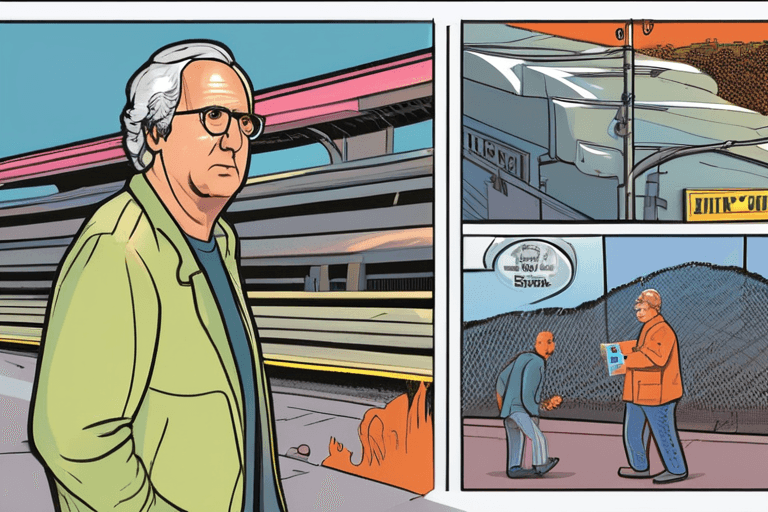
The MetroCard, despite its eventual obsolescence, played a revolutionary role in modernizing New York City's subway system. "The humble MetroCard may have outlasted its useful life, but in its day it was revolutionary," said Jodi Shapiro, curator at the New York Transit Museum in Brooklyn, which recently opened an exhibit reflecting on the MetroCard's legacy. The card replaced the New York City subway token, infusing much-needed modernity into the transit system.
The retirement of the MetroCard and the full implementation of OMNY represent a significant step toward a more technologically advanced and data-driven transportation ecosystem. As AI continues to evolve, its impact on urban mobility is expected to grow, potentially leading to more personalized and efficient transit experiences.















Discussion
Join the conversation
Be the first to comment