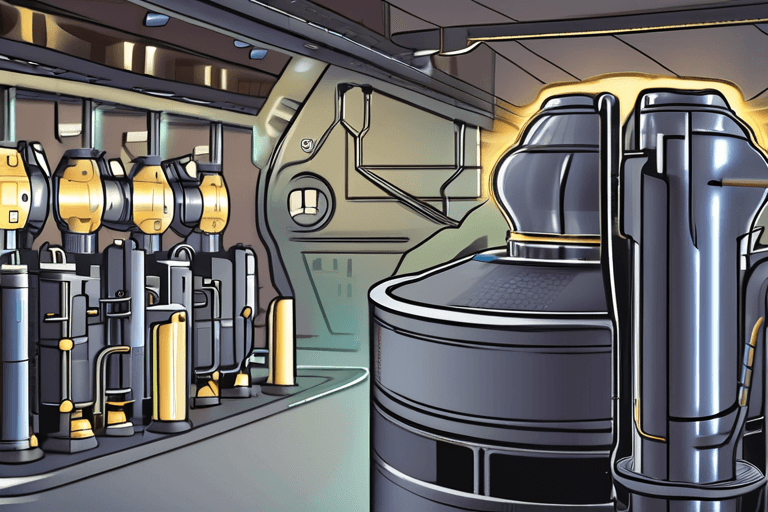
In the heart of Ukraine, amidst rolling farmlands that stretch towards the horizon, lies a relic of a bygone era – a former Soviet intercontinental ballistic missile launch site, now transformed into the Museum of Strategic Missile Forces. Here, beneath the vast Ukrainian sky, the echoes of the Cold War still resonate, but with a chilling twist. For Ukrainians, this museum is more than just a historical archive; it's a stark and bitter reminder of a decision made in the heady days of independence, a decision they now largely regret: the dismantling of their nuclear arsenal.
The early 1990s were a time of immense change and uncertainty. With the collapse of the Soviet Union, Ukraine found itself an independent nation, inheriting a formidable nuclear stockpile – the third largest in the world. The international community, particularly the United States, was deeply concerned about the proliferation risk. Negotiations ensued, culminating in the 1994 Budapest Memorandum, where Ukraine agreed to relinquish its nuclear weapons in exchange for security assurances from the U.S., Britain, and Russia, guaranteeing its sovereignty and territorial integrity.
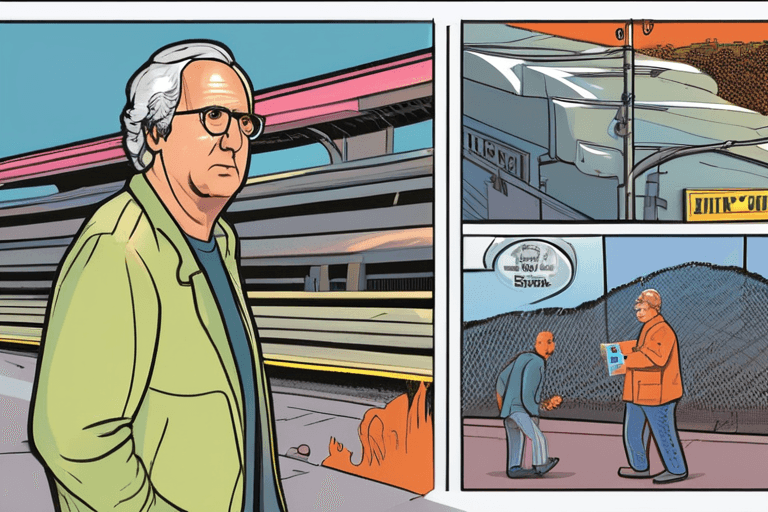
Hennadiy Vladimirovitch Fil, 65, a former deputy commander of the Soviet Union's 309th Missile Regiment, now works as a guide at the museum. He walks visitors through the labyrinthine tunnels and points to the hulking missiles, relics of a time when Ukraine was a nuclear power. "We believed the promises," he says, his voice tinged with a mixture of nostalgia and regret. "We thought we were doing the right thing for the world, for peace."
The museum meticulously chronicles the Cold War arms race, displaying imposing Soviet air defense missiles and detailing the strategic calculations that once dominated global politics. But the narrative takes on a particularly poignant tone when it addresses Ukraine's disarmament. Exhibits showcase the dismantling process, the removal of warheads, and the conversion of missile silos. What was once a symbol of immense power is now a monument to a decision that many Ukrainians view as a profound mistake.
The current conflict with Russia has only intensified this sentiment. The annexation of Crimea in 2014 and the ongoing war in eastern Ukraine have shattered the security assurances enshrined in the Budapest Memorandum. Many Ukrainians feel betrayed, arguing that if they had retained their nuclear weapons, Russia would have been deterred from aggression.
"We were naive," says a visitor to the museum, echoing a common sentiment. "We trusted the international community, and they failed us." This sense of betrayal is palpable, hanging heavy in the air alongside the scent of aged metal and the weight of history.
The debate over nuclear disarmament is complex and multifaceted. Some argue that Ukraine's decision was ultimately the right one, preventing further nuclear proliferation and contributing to global security. Others point to the economic burden of maintaining a nuclear arsenal, arguing that Ukraine lacked the resources to do so effectively.
However, for many Ukrainians, the museum serves as a constant reminder of what might have been. It is a place where history and present-day realities collide, forcing visitors to confront difficult questions about security, sovereignty, and the price of trust in a volatile world. As the war continues to rage, the museum stands as a silent testament to a decision that continues to shape Ukraine's destiny, a decision that many now view as a fateful turning point in the nation's history. The lessons learned within its walls are a stark warning about the complexities of international relations and the enduring importance of national security in an increasingly uncertain world.









Discussion
Join the conversation
Be the first to comment