TikTok, the social media platform boasting over one billion monthly users globally, has become a significant force in disseminating diverse cultural trends and narratives, despite facing controversy and bans in countries like India and Australia. Launched in 2016, the platform has served as a space for creators worldwide to share unique content, ranging from innovative takes on sports to comedic performances inspired by silent film legends and glimpses into life in conflict zones.
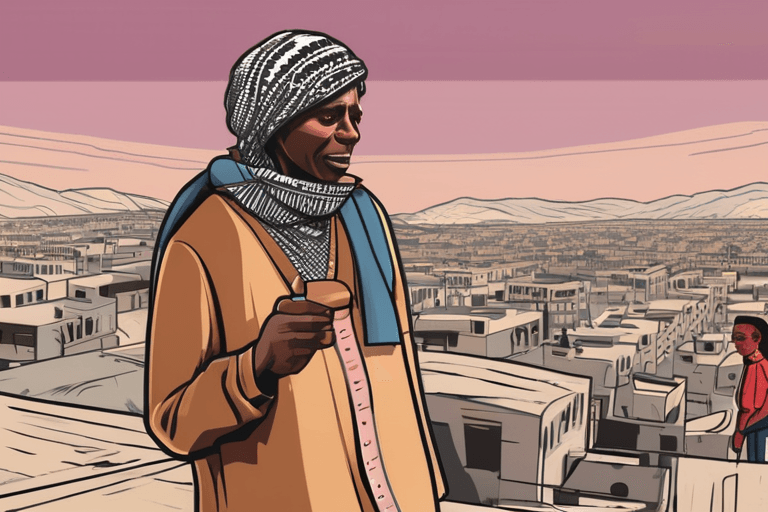
NPR recently highlighted several TikTok creators who exemplify the platform's global reach and impact. Among them is Arthur Marques, a soccer player who showcases a distinctive style of the sport. In Tanzania, Fanuel John Masamaki draws inspiration from Charlie Chaplin, crafting comedic skits that resonate with a wide audience. Hamada Shaqoura, a Palestinian food influencer, shares recipes like Egyptian-style shrimp fries, offering a taste of Gazan culture. Valerie Keter uses the platform to educate viewers about the Maasai people of southern Kenya, displaying traditional beaded collars and discussing the tribe's history.
The app's influence extends beyond entertainment and cultural exchange. It provides a window into regions facing hardship, such as Gaza, where creators like Shaqoura offer a sense of normalcy and hope amidst challenging circumstances. This ability to connect individuals across geographical boundaries and cultural divides underscores TikTok's role in shaping global perspectives.
However, the platform's rapid growth has not been without its challenges. Concerns regarding data privacy and potential harm to younger users have led to restrictions in some countries. Australia, for instance, recently barred children under 16 from using TikTok and other social media platforms. These measures reflect a growing debate about the responsibilities of social media companies and the need to protect vulnerable populations.
As TikTok continues to evolve, its impact on global culture and social change remains a subject of ongoing discussion. The platform's ability to amplify diverse voices and facilitate cross-cultural understanding is undeniable, but so are the challenges it poses in terms of regulation and responsible use.

















Discussion
Join the conversation
Be the first to comment