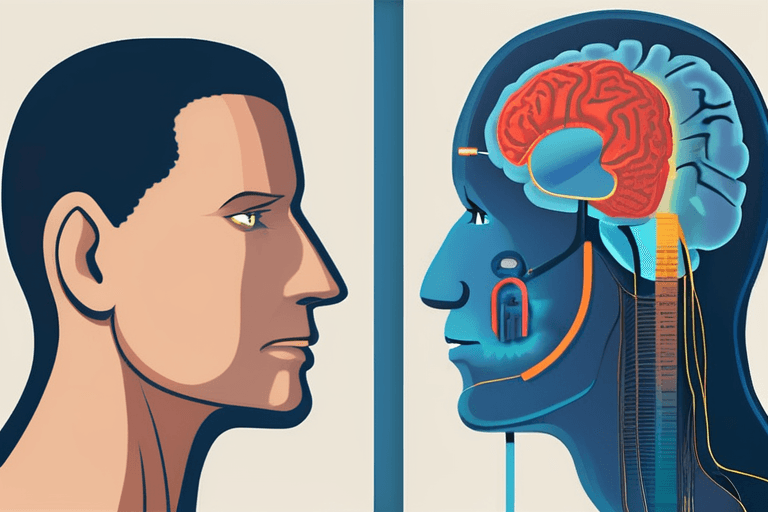
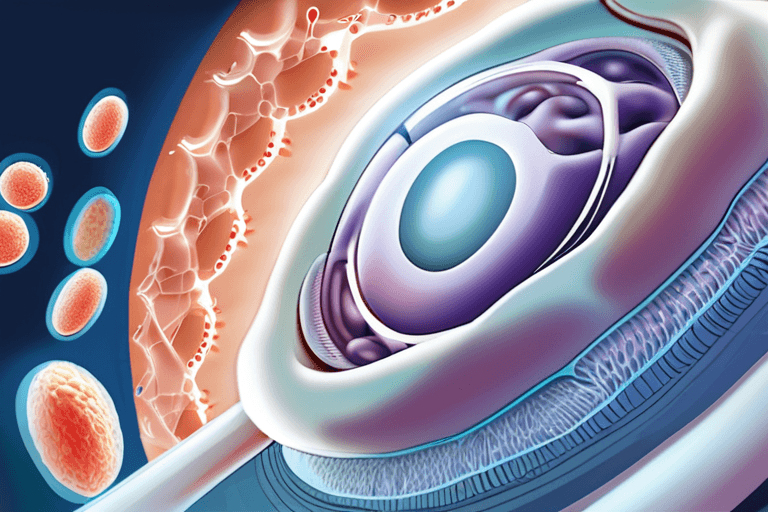
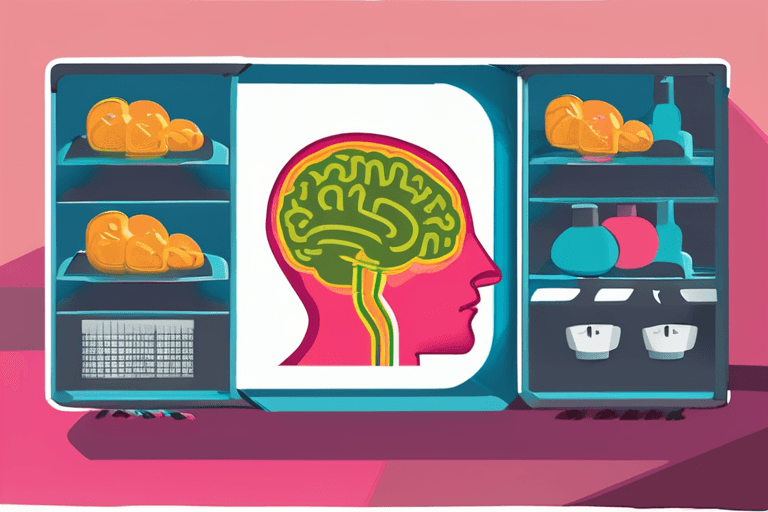
Investment in neurological research is poised for a significant upswing following the unveiling of a novel diagnostic tool utilizing lab-grown "mini-brains." These organoids, derived from patient cells, are demonstrating the ability to identify distinct electrical signatures associated with schizophrenia and bipolar disorder, potentially revolutionizing psychiatric diagnosis and treatment.
Researchers at Johns Hopkins University reported a high degree of accuracy in differentiating between the electrical firing patterns of neurons in mini-brains grown from individuals with schizophrenia, bipolar disorder, and healthy controls. While specific financial figures related to the research investment were not disclosed, the potential return on investment in terms of reduced healthcare costs and improved patient outcomes is substantial. Misdiagnosis and ineffective medication trials currently contribute significantly to the economic burden of mental illness, estimated to cost the US economy hundreds of billions of dollars annually.
The development has the potential to disrupt the current psychiatric drug market, valued at tens of billions of dollars globally. Pharmaceutical companies could leverage this technology to develop more targeted therapies and personalize treatment plans. The ability to pre-screen drug efficacy on patient-specific mini-brains could dramatically reduce the time and cost associated with clinical trials, potentially accelerating the approval process for new medications.
The research builds upon years of advancements in stem cell technology and bioengineering. The creation of these mini-brains, while not fully replicating the complexity of a human brain, provides a crucial in-vitro model for studying neurological disorders. The AI component lies in the analysis of the complex electrical signals generated by these mini-brains. Machine learning algorithms are trained to identify subtle patterns and anomalies that are indicative of specific mental health conditions. This application of AI in diagnostics is part of a broader trend towards precision medicine, where treatments are tailored to an individual's unique genetic and biological makeup.
Looking ahead, the research team plans to refine the technology and expand its application to other neurological disorders. The ultimate goal is to create a platform that can be used to diagnose mental illnesses earlier and more accurately, and to personalize treatment plans based on an individual's specific brain activity. This could lead to a future where psychiatric care is more proactive, effective, and less reliant on trial-and-error medication prescriptions. The ethical implications of using AI in mental health diagnostics, including data privacy and potential biases in algorithms, will need careful consideration as the technology advances.
















Discussion
Join the conversation
Be the first to comment