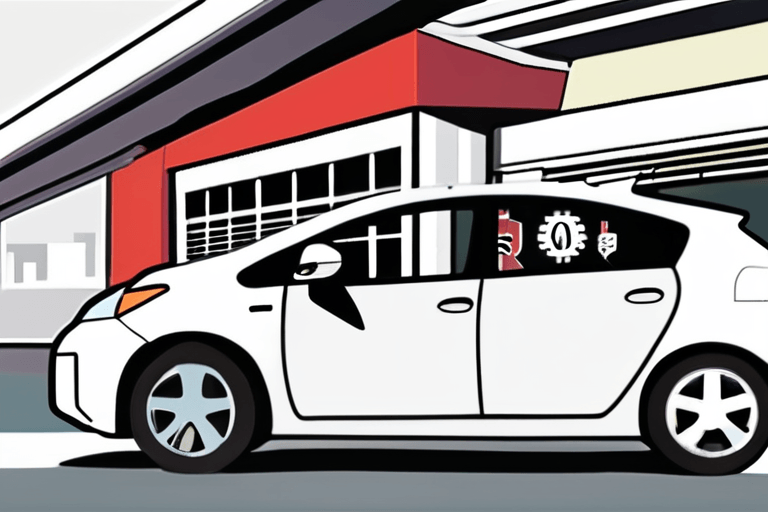
The Toyota Prius, a seemingly unassuming gas-electric hybrid, may have inadvertently sown the seeds of today's politicized debate surrounding electric vehicles, according to industry experts. Launched in 2001, the Prius marked the beginning of a new era for Toyota, establishing the automaker's reputation for environmentally conscious vehicles, but also, perhaps unintentionally, laying the groundwork for the partisan divide now associated with EVs.
In a climate where electric vehicles are often viewed through a political lens, the Prius emerged as a cultural symbol, representing both technological innovation and environmental responsibility. Supporters saw it as a step toward reducing reliance on fossil fuels, while others viewed it with skepticism, questioning its practicality and cost.
Mike Murphy, a Republican strategist leading the EV Politics Project and EVs for All America, noted the extent to which EVs have become politicized. "E.V.s have become such a partisan thing that theyre not defined as cars," Murphy said. "Its like were having political fights over toasters."
The Prius's arrival coincided with growing awareness of climate change and increasing pressure on automakers to develop more fuel-efficient vehicles. While not a fully electric vehicle, the Prius's hybrid technology offered a compromise, appealing to consumers seeking to reduce their carbon footprint without sacrificing the convenience of gasoline-powered cars.
However, as electric vehicles gained traction, they became entangled in broader political and cultural debates. Supporters championed EVs as a solution to climate change and a way to boost American manufacturing, while critics raised concerns about the cost of EVs, the environmental impact of battery production, and the role of government in promoting their adoption.
The rise of Tesla and the outspokenness of its CEO, Elon Musk, further amplified the political dimensions of electric vehicles. Musk's commentary on social media and his company's polarizing reputation have contributed to the perception of EVs as a partisan issue.
Today, electric vehicles are at the center of a complex web of political, economic, and environmental considerations. The Prius, once seen as a symbol of progress, now serves as a reminder of how even the most well-intentioned innovations can become entangled in the divisive currents of contemporary politics.




















Discussion
Join the conversation
Be the first to comment