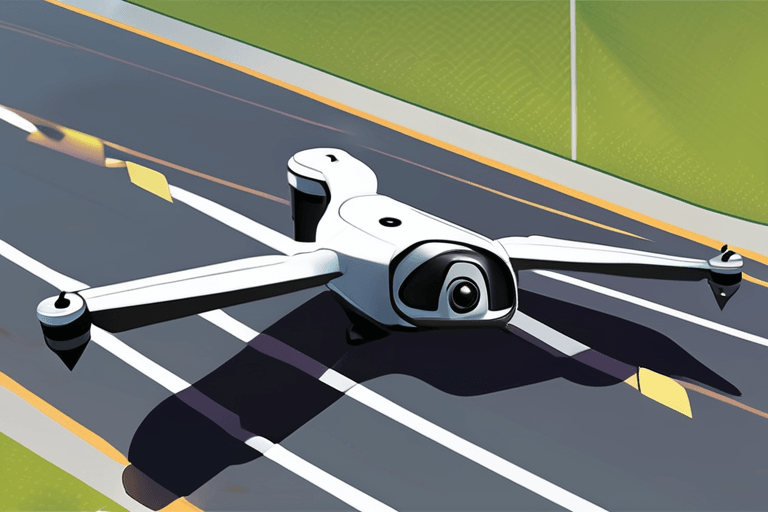
New drone users in the United Kingdom are now required to pass a theory test before being permitted to fly their devices outdoors, a regulation implemented to enhance safety and ensure responsible operation of unmanned aerial vehicles (UAVs). The Civil Aviation Authority (CAA) introduced the mandatory test as part of an ongoing effort to integrate drones safely into UK airspace.
The theory test covers a range of topics, including air law, airspace restrictions, aviation safety, and pilot responsibilities. Aspiring drone pilots must demonstrate a comprehensive understanding of these principles to obtain a Flyer ID, which is legally required for operating drones weighing between 250 grams and 20 kilograms outdoors. The CAA emphasizes that the test is designed to be accessible, even for individuals with no prior aviation experience.
"The introduction of the theory test is a significant step forward in promoting the safe and responsible use of drones in the UK," stated a CAA spokesperson. "By ensuring that drone users have a basic understanding of aviation rules and best practices, we can minimize the risk of incidents and protect other airspace users."
The new regulation impacts a growing segment of the population, as drone ownership continues to rise. Popular models like the DJI Mavic 3 and Autel Robotics EVO Lite+, known for their advanced features and ease of use, have contributed to the surge in drone adoption for both recreational and commercial purposes. Industry analysts predict that the drone market will continue to expand, making standardized training and testing even more crucial.
Some drone enthusiasts have expressed concerns about the added hurdle, arguing that it could deter new users from entering the hobby. However, the CAA maintains that the test is a necessary measure to mitigate potential risks. To assist aspiring drone pilots, numerous online resources and training courses are available, offering guidance and practice materials to prepare for the theory test.
The implementation of the theory test aligns with international efforts to regulate drone operations. Many countries are adopting similar measures to address the challenges posed by the increasing number of drones in the sky. The CAA is actively collaborating with other aviation authorities to share best practices and harmonize drone regulations globally.
Currently, the CAA is working on developing more advanced training modules for commercial drone operators, focusing on specialized applications such as aerial surveying, infrastructure inspection, and delivery services. These modules will build upon the foundational knowledge acquired through the theory test, ensuring that commercial drone pilots possess the expertise required to operate safely and efficiently in complex environments. The CAA plans to review the effectiveness of the new regulations and make adjustments as needed to keep pace with the rapidly evolving drone technology.




















Discussion
Join the conversation
Be the first to comment