FlightAware, a flight tracking service, reported over 400 inbound and outbound flights canceled at Kennedy International, LaGuardia, and Newark Liberty International airports on Saturday. Hundreds more flights were delayed. On Friday, nearly 900 flights were canceled at the three airports.
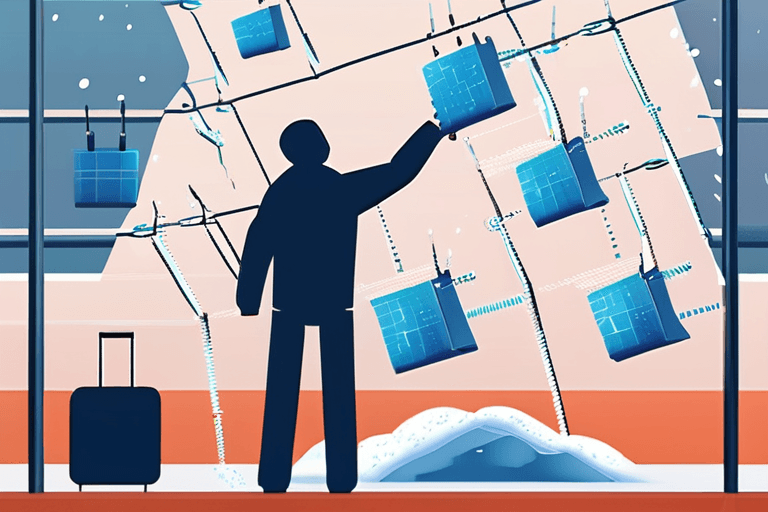
Airlines preemptively canceled flights to avoid a cascading effect from real-time adjustments, according to airline spokesmen. "The worst thing you can do for your whole operation is to cancel flights really close into the time they're supposed to depart," said Chris Perry, a spokesman for Southwest Airlines. "Then you're stranding airplanes." Airlines use sophisticated algorithms, a form of artificial intelligence, to predict the impact of weather events on their schedules. These algorithms analyze historical data, weather forecasts, and operational constraints to make decisions about cancellations and delays.
The use of AI in airline operations raises questions about the balance between efficiency and customer service. While AI can help airlines optimize their schedules and minimize disruptions, it can also lead to situations where flights are canceled even when the weather is not severe. This highlights the importance of transparency and communication in the use of AI systems. Passengers need to understand how these systems work and how they impact their travel plans.
Forecasters had predicted up to nine inches of snow for the New York area on Friday night and Saturday morning. The major airlines, anticipating significant disruption, began canceling flights. The actual snowfall was considerably less than predicted, but the cancellations remained in effect. The incident underscores the challenges of using predictive models, including those powered by AI, in dynamic and unpredictable environments. Even with advanced technology, forecasting remains imperfect, and decisions based on these forecasts can have significant consequences. Airlines are now likely reviewing their forecasting models and cancellation policies to determine how to better balance the risks of disruption with the needs of travelers.




















Discussion
Join the conversation
Be the first to comment