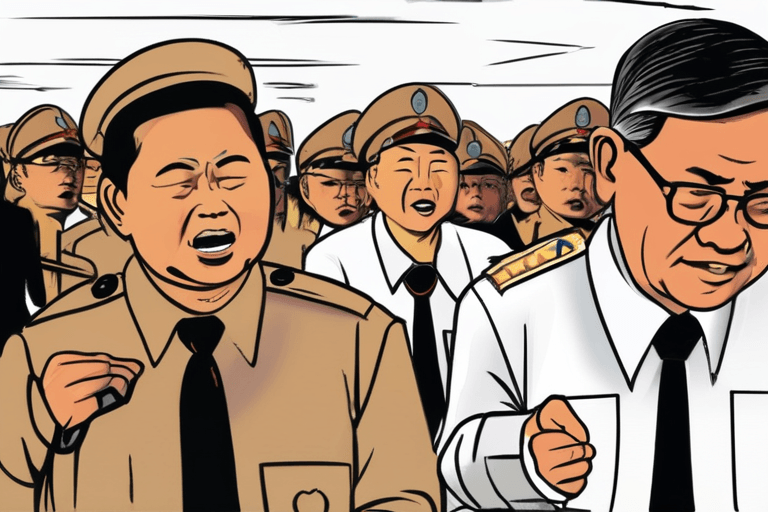
Myanmar's economy faces increased uncertainty as polls closed on the first day of a widely criticized election, raising concerns among international investors. The military government's attempt to legitimize its rule through this phased ballot, amidst ongoing civil war, is likely to further destabilize the already fragile business environment.
The election takes place nearly five years after the military coup, which triggered widespread opposition and a spiraling civil war. With major political parties dissolved, leaders jailed, and potentially half the country unable to vote, the legitimacy of the election is severely undermined. This political instability directly impacts foreign investment and trade, with many international businesses already scaling back operations or withdrawing from Myanmar. The new law criminalizing opposition to the polls, carrying severe punishments including the death penalty for over 200 people, further exacerbates the risk for businesses operating in the country.
The ongoing conflict and political uncertainty have already taken a heavy toll on Myanmar's economy. Foreign direct investment has plummeted, and international trade has been significantly disrupted. Reports of explosions and air strikes across multiple regions during the first round of voting highlight the security risks that businesses face. The junta's reliance on China's support suggests a potential shift in economic alliances, which could further isolate Myanmar from Western markets and investment.
Myanmar's business environment was already challenging before the coup, characterized by corruption, weak infrastructure, and a lack of transparency. The current political crisis has amplified these issues, making it increasingly difficult for businesses to operate and thrive. The long-term outlook for Myanmar's economy remains bleak, with continued political instability and conflict likely to deter investment and hinder economic growth. The international community's condemnation of the election and potential imposition of further sanctions could further isolate Myanmar's economy and exacerbate the challenges faced by businesses operating in the country.





















Discussion
Join the conversation
Be the first to comment