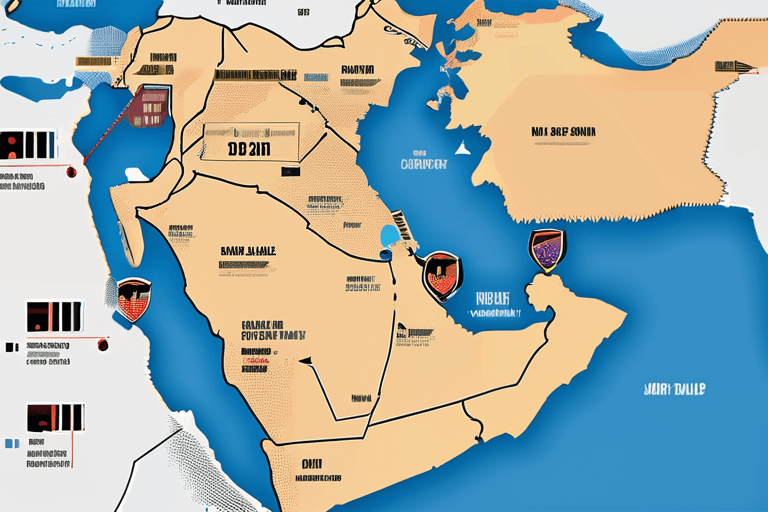
In 2025, Israel conducted military attacks in at least six countries, according to an Al Jazeera report published on December 29, 2025. The countries targeted included Palestine, Iran, Lebanon, Qatar, Syria, and Yemen. Additionally, strikes were reported in Tunisian, Maltese, and Greek territorial waters against aid flotillas en route to Gaza.
Data compiled by Armed Conflict Location and Event Data (ACLED), an independent conflict monitor, indicated that Israel carried out at least 10,631 attacks between January 1 and December 5. ACLED's methodology involves collecting and recording information on political violence, demonstrations, and other politically significant events from a variety of sources, including local, national, and international news outlets, as well as international bodies. The Al Jazeera report utilized ACLED data, specifically filtering for violent events such as air and drone strikes, shelling and missile attacks, remote explosives, and other armed attacks, to map Israeli attacks throughout the year.
The scale of these attacks represents one of the broadest geographic military offensives undertaken by Israel in a single year. The strikes against aid flotillas in the Mediterranean Sea drew condemnation from various international organizations and governments, who viewed the actions as violations of international maritime law and impediments to humanitarian aid delivery. The attacks on countries such as Iran and Syria further heightened tensions in the Middle East, exacerbating existing regional conflicts and raising concerns about potential escalation.
The Israeli government has not yet issued a comprehensive statement addressing the specific claims made in the Al Jazeera report. However, in the past, Israeli officials have maintained that military actions are necessary for national security and to counter perceived threats from militant groups operating in neighboring countries. These justifications often cite the right to self-defense under Article 51 of the UN Charter.
The attacks have elicited diverse reactions from the international community. While some nations have expressed understanding for Israel's security concerns, others have criticized the disproportionate use of force and the impact on civilian populations. Calls for an independent investigation into the alleged violations of international law have been made by human rights organizations and some member states of the United Nations. The situation remains a focal point of international diplomacy, with ongoing efforts to de-escalate tensions and promote a peaceful resolution to the underlying conflicts.


















Discussion
Join the conversation
Be the first to comment