The film, directed by Roger Vadim, introduced Bardot as a free-spirited and sensual young woman, challenging the more conservative norms of the time. Gleiberman points out that Bardot's character was presented through a male gaze, with shots emphasizing her physical attributes. This portrayal led to labels like "sex kitten," "baby doll," and "teenage temptress," solidifying her image as a symbol of youthful sexuality.
However, Bardot's impact extended beyond mere physical appeal. Her characters often embodied a sense of independence and defiance, reflecting a shift in societal attitudes towards women. While some critics dismissed her acting as superficial, her on-screen presence resonated with audiences who were drawn to her unapologetic sensuality and rebellious spirit.
In Jean-Luc Godard's "Contempt" (1963), Bardot further explored complex themes of love, alienation, and the objectification of women in the film industry. Her role as Camille Javal, a woman whose marriage unravels amidst the pressures of filmmaking, showcased a more nuanced and introspective side of her talent.
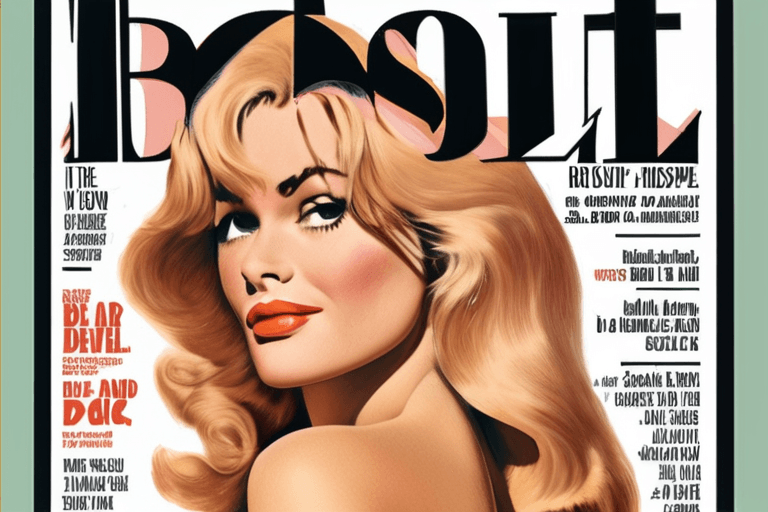
Bardot's influence on fashion and popular culture was undeniable. Her signature style, characterized by her blonde hair, cat-eye makeup, and effortless chic, was widely emulated. She became a muse for artists and designers, and her image adorned magazine covers and billboards around the world.
While Bardot later retired from acting and became an animal rights activist, her legacy as a cinematic icon remains. Her early films, though sometimes controversial, challenged conventional notions of femininity and helped pave the way for greater female representation in cinema. Her impact on both the film industry and broader cultural landscape continues to be recognized and debated.


















Discussion
Join the conversation
Be the first to comment