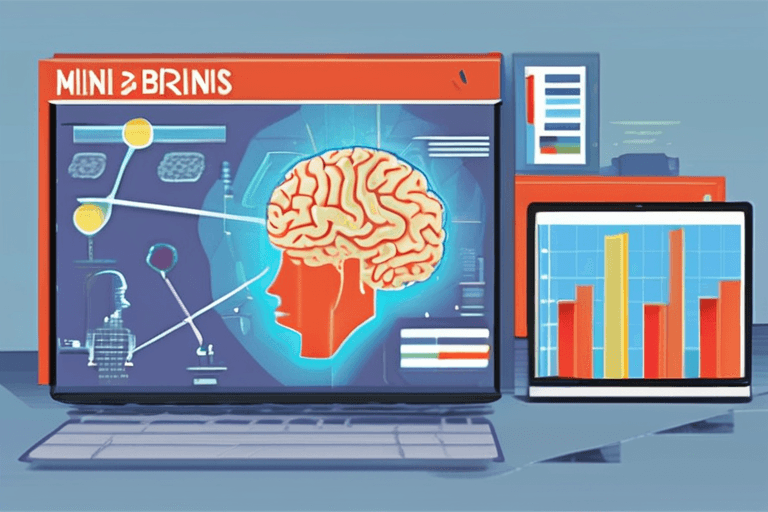
Investment in neurological disease research is poised for a significant shift as mini-brain technology promises to revolutionize diagnostics and drug development for schizophrenia and bipolar disorder. The development, spearheaded by researchers at Johns Hopkins University, could dramatically alter the landscape of psychiatric treatment, potentially unlocking a multi-billion dollar market for personalized medicine.
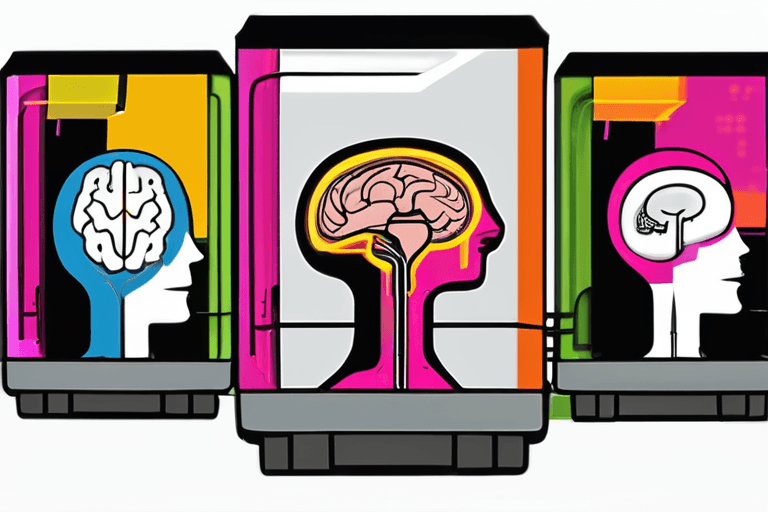
The research revealed distinct electrical firing patterns in lab-grown mini-brains derived from patient cells, allowing for accurate identification of schizophrenia and bipolar disorder. In initial trials, these electrical signatures identified the conditions with a high degree of accuracy, suggesting a substantial improvement over current diagnostic methods, which rely heavily on subjective assessments. This precision could translate into significant cost savings by reducing misdiagnosis and ineffective treatment plans, which currently cost the US healthcare system an estimated $280 billion annually for mental health disorders.
The market impact of this breakthrough is potentially enormous. Pharmaceutical companies could leverage this technology to screen drug candidates more effectively, reducing the high failure rate in psychiatric drug development. Currently, only about 10% of drugs entering clinical trials ultimately reach the market, a figure that could be significantly improved with more accurate preclinical testing using mini-brains. This could lead to faster drug approvals and increased profitability for companies investing in neurological research. Furthermore, the ability to personalize treatment based on an individual's brain activity profile could drive the growth of companion diagnostics, a market projected to reach $12 billion globally by 2030.
Johns Hopkins University, a leading institution in neurological research, has been at the forefront of developing and refining mini-brain technology. Their work builds upon years of research into induced pluripotent stem cells (iPSCs), which allow scientists to create brain tissue from patient skin cells. This technology offers a significant advantage over traditional animal models, which often fail to accurately replicate the complexities of human brain disorders. The university is actively seeking partnerships with pharmaceutical companies and diagnostic firms to commercialize this technology, potentially through licensing agreements or joint ventures.
Looking ahead, the future of psychiatric treatment is likely to be increasingly data-driven. AI algorithms could be trained to analyze the complex electrical activity patterns of mini-brains, providing clinicians with objective and personalized treatment recommendations. This approach could also facilitate the development of new biomarkers for mental illness, leading to earlier diagnosis and intervention. While ethical considerations surrounding the use of mini-brains remain, the potential benefits for patients and the economic opportunities for the healthcare industry are substantial. The convergence of AI, personalized medicine, and advanced diagnostics promises a new era in the treatment of mental illness, with mini-brains playing a central role.













Discussion
Join the conversation
Be the first to comment