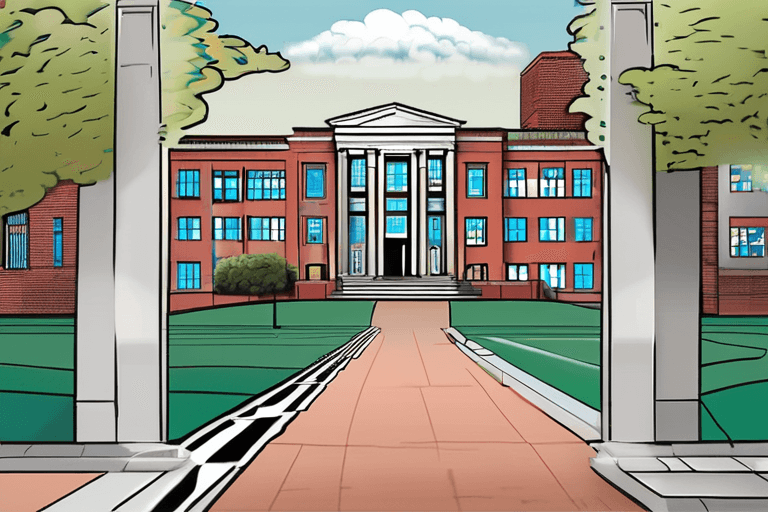
Vernon Morris, a pioneering figure in atmospheric sciences, established a PhD program at Howard University in 2001 aimed at increasing the representation of Black scientists in the field. As the founding director of the atmospheric sciences program at the historically Black college and university (HBCU) in Washington, D.C., Morris addressed a significant disparity he recognized upon earning his own doctorate in 1991 from the Georgia Institute of Technology, where he was the first African American to achieve this distinction.
Between 2006 and 2018, the Howard University program produced at least 50 African American and 30 Latinx PhD graduates in atmospheric sciences, according to data collected by the program. This initiative significantly contributed to diversifying a field where Black scientists were historically underrepresented. Morris, reflecting on the program's impact, noted the importance of creating opportunities and fostering a supportive environment for minority students pursuing advanced degrees in atmospheric science.
Atmospheric science encompasses a broad range of disciplines, including meteorology, climatology, and atmospheric chemistry. These fields are crucial for understanding weather patterns, climate change, and air quality, relying on complex models and data analysis to predict and mitigate environmental challenges. The lack of diversity within these fields has been a long-standing concern, potentially limiting the range of perspectives and approaches applied to critical research questions.
The program at Howard University provided not only advanced academic training but also mentorship and networking opportunities, helping graduates to secure positions in academia, government agencies, and private industry. Alumni from the program have gone on to conduct research on topics ranging from urban air pollution to the impact of climate change on vulnerable communities.
The success of the Howard University program serves as a model for other institutions seeking to promote diversity in STEM fields. By providing targeted support and resources, universities can play a crucial role in creating a more inclusive and representative scientific community. Morris's work continues to inspire efforts to address systemic barriers and create pathways for underrepresented groups to excel in atmospheric science and related disciplines.
















Discussion
Join the conversation
Be the first to comment