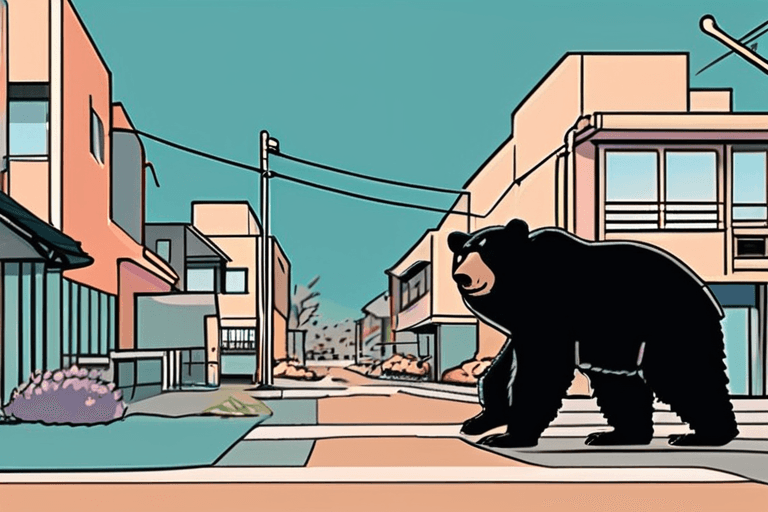
The rise in bear activity has disrupted daily life in Osaki, prompting increased vigilance among residents and local authorities. "There have always been bears in this region, so people got used to them," said Kazuhide Otomo, an official in the town's rural environment development division. "But this year is different – it's the biggest topic of conversation." The situation has raised concerns about the safety of residents, particularly those living in rural areas and those who frequent the surrounding forests for recreation.
Japan has experienced a notable increase in bear sightings in recent years, a phenomenon attributed to a combination of factors including habitat loss, declining food sources in mountainous areas, and an aging rural population. As human settlements encroach further into bear habitats and traditional food sources become scarce, bears are increasingly venturing into populated areas in search of sustenance. This trend is not unique to Japan; similar patterns of human-wildlife conflict are observed globally as urbanization and deforestation alter natural ecosystems.
The increased interaction between humans and bears has led to a rise in bear-related injuries and fatalities, prompting government agencies and local communities to implement preventative measures. These measures include public awareness campaigns, increased patrols in bear-prone areas, and the deployment of bear-resistant waste containers. Some communities have also explored more proactive strategies, such as habitat management and controlled hunting, to mitigate the risk of bear encounters.
While winter typically brings a lull in bear activity as they enter hibernation, experts warn that the current situation may not improve immediately. A mild winter or a shortage of food could disrupt hibernation patterns, leading to continued bear activity throughout the season. The long-term solution, according to wildlife experts, lies in addressing the underlying causes of habitat loss and food scarcity, and in fostering a greater understanding and tolerance between humans and wildlife.
















Discussion
Join the conversation
Be the first to comment