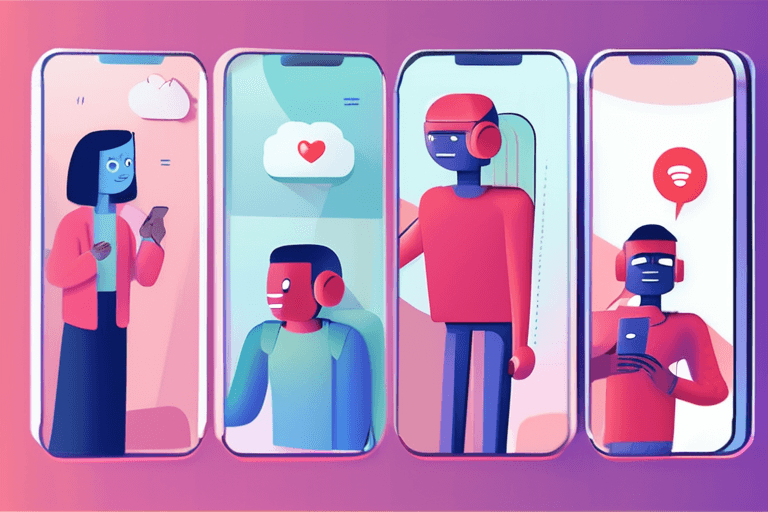
Imagine a world where teenagers turn to artificial intelligence for answers to life's most profound questions, seeking guidance not from parents or mentors, but from lines of code. This isn't a scene from a dystopian novel; it's a reality unfolding in homes across the nation, raising concerns about the impact of AI chatbots on adolescent development.
The rise of sophisticated AI has ushered in an era where virtual companions are readily available at our fingertips. These chatbots, powered by complex algorithms, can engage in conversations, answer questions, and even offer advice. While they can be valuable tools for learning and entertainment, their increasing presence in the lives of teenagers is sparking worries among parents and educators alike.
Keri Rodrigues, president of the National Parents Union, experienced this firsthand when she discovered her youngest son was using the chatbot in his Bible app to explore complex moral dilemmas. "He was asking it some deep moral questions, about sin for instance," she recounts. Rodrigues realized that these were the kinds of conversations she wanted to have with her son, discussions that required nuance and understanding that a computer simply couldn't provide. "Not everything in life is black and white," she emphasizes. "There are grays. And it's my job as his mom to help him navigate that and walk through it, right?"
The concern isn't just about replacing human interaction. Experts worry about the potential for chatbots to influence young minds with biased or inaccurate information. AI models are trained on vast datasets, which may contain prejudices or reflect societal biases. This can lead to chatbots perpetuating harmful stereotypes or offering skewed perspectives on important issues.
Moreover, the anonymity and lack of accountability associated with chatbots can create an environment where teenagers feel comfortable sharing personal information or engaging in risky behaviors. Cyberbullying, online grooming, and exposure to inappropriate content are all potential dangers that parents need to be aware of.
"AI chatbots are powerful tools, but they are not a substitute for human connection and guidance," says Dr. Anya Sharma, a child psychologist specializing in adolescent development. "Teenagers need to learn critical thinking skills and develop a strong sense of self in order to navigate the complexities of the digital world."
So, how can parents help their teens use AI safely? Experts recommend open communication, setting clear boundaries, and monitoring online activity. It's crucial to have ongoing conversations about the potential risks and benefits of AI, and to encourage teenagers to seek guidance from trusted adults when they encounter difficult or confusing situations.
Furthermore, parents can advocate for responsible AI development and regulation. Tech companies have a responsibility to ensure that their products are safe and ethical, and that they are not exploiting or harming vulnerable populations.
As AI continues to evolve, it's essential to approach this technology with both excitement and caution. By fostering open dialogue, promoting media literacy, and advocating for responsible AI practices, we can help teenagers harness the power of AI while mitigating the risks. The future of our children depends on it.













Discussion
Join the conversation
Be the first to comment