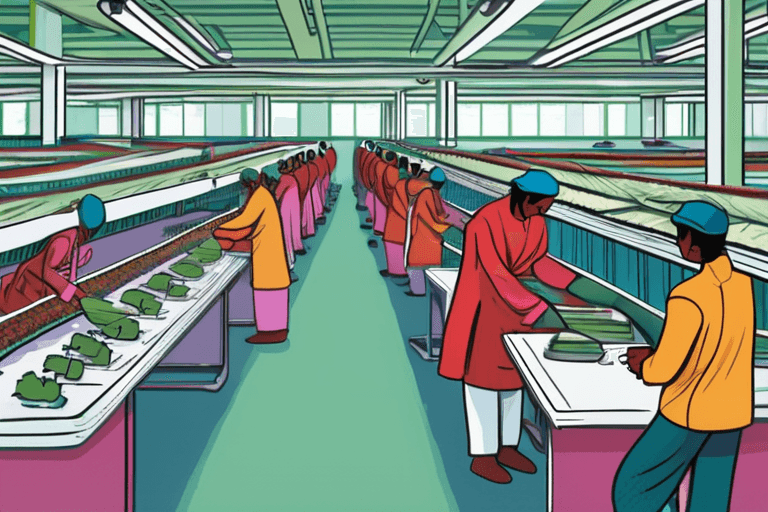
Bangladesh's garment-making industry, long associated with environmental damage and workplace tragedies, is undergoing a significant shift towards sustainability. The country now leads the world with 268 LEED-certified garment factories, surpassing all other nations in its commitment to resource-efficient and climate-resilient manufacturing. This transformation comes after years of scrutiny following disasters like the 2013 Rana Plaza collapse, which killed over 1,100 people and highlighted the industry's severe shortcomings.
The move toward greener practices includes the adoption of safer chemicals in dye plants, cleaner tanning methods and wastewater treatment in tanneries, and the installation of energy-efficient LED lighting and solar panels in workshops. These changes are particularly crucial in areas like the Buriganga River, which flows through Dhaka and has suffered extensively from pollution caused by textile production, including dyes, chemicals, and heavy metals.
The garment industry is a vital component of Bangladesh's economy, contributing significantly to its GDP and employing millions of people, primarily women. However, its rapid growth has historically come at a high environmental and social cost. The push for sustainability is driven by a combination of international pressure, growing awareness within the industry, and the need to adapt to climate change and global supply chain disruptions.
While challenges remain, the progress in Bangladesh's garment sector offers a potential model for other developing nations seeking to balance economic growth with environmental responsibility. International organizations and brands are increasingly demanding higher environmental standards from their suppliers, further incentivizing factories to invest in cleaner technologies and sustainable practices. The ongoing efforts in Bangladesh represent a crucial step towards a more ethical and environmentally sound global fashion industry.
















Discussion
Join the conversation
Be the first to comment