Federal Reserve insiders are reportedly welcoming calls for a more independent central bank. This follows a year of perceived White House interference. The dynamic highlights the complex relationship between monetary policy and political influence.
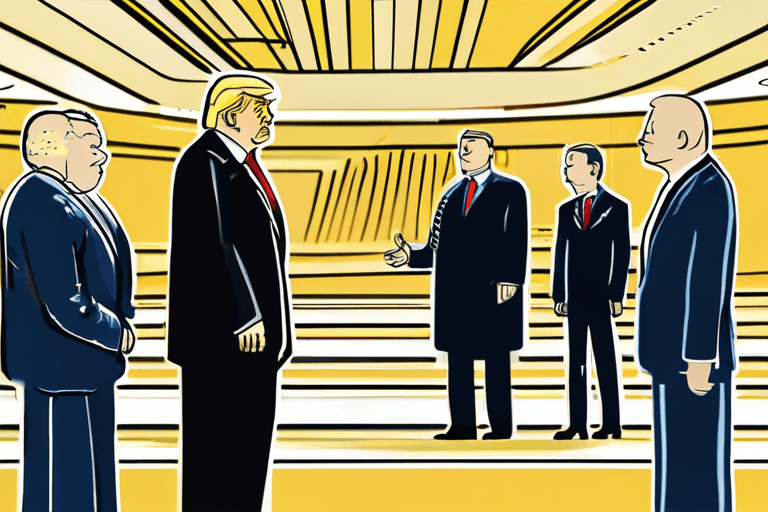
Earlier this year, tensions peaked when then-President Trump visited the Federal Reserve headquarters. The July visit involved a public disagreement over building renovation costs. Fed Chairman Powell refuted Trump's figures, stating the project was on track. The event underscored concerns about political pressure on the Fed.
The incident sparked renewed debate about the Fed's autonomy. Experts emphasize the importance of an independent Fed for economic stability. Market analysts are closely watching how these developments will affect future monetary policy decisions.
Historically, presidential visits to the Fed are rare. The tradition aims to maintain the credibility of both institutions. The concern is that perceived interference could undermine public trust in the Fed's decisions.
The calls for a "backseat Fed" suggest a potential shift in the relationship between the White House and the central bank. The long-term implications for monetary policy and economic stability remain to be seen.










Discussion
Join the conversation
Be the first to comment