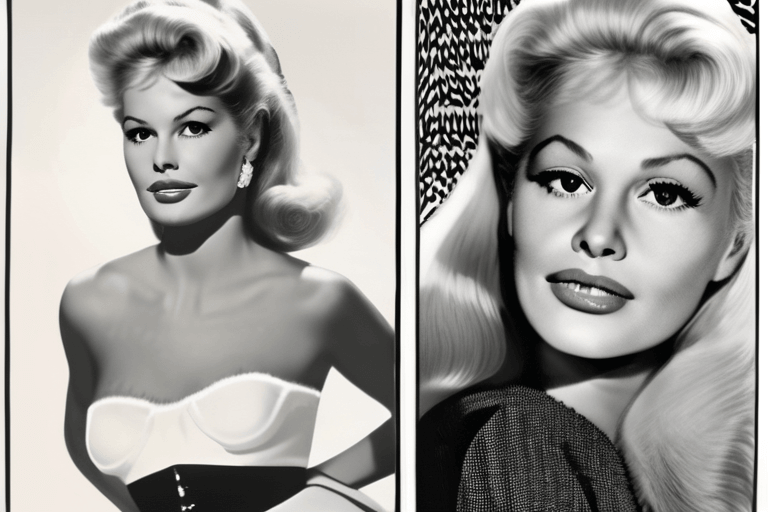
Brigitte Bardot, the French actress who became an international symbol of sexual liberation and revolutionized cinema in the 1950s, died at the age of 91. Her death was announced Sunday by her foundation, according to Fortune. Bardot, who later devoted her life to animal rights activism, leaves behind a complex legacy marked by both cinematic achievement and controversy.
Bardot rose to fame as a sex symbol in the 1960s, setting a standard for a generation of actresses. She became an archetype of beauty to millions, particularly after her role as a self-assured small-town sexpot in "And God Created Woman" (1956), according to Fortune. Throughout the 1970s, she served as the model for Marianne, the female incarnation of the French republic, whose profile adorns stamps and coins.
According to BBC World, Bardot's death has prompted national mourning in France. She abandoned her prestigious movie career at age 39 to dedicate her life and energy to defend animal welfare, according to her foundation as reported by Fortune.
While celebrated for her contributions to cinema and her later animal rights work, Bardot's legacy is also marked by controversies. BBC World reported that she faced criticism for discriminatory remarks, including homophobic statements and convictions for inciting racial hatred. These controversies have sparked debates about freedom of expression and social responsibility.
Her death marks the end of an era for French cinema and prompts reflection on her multifaceted impact on global culture, according to BBC World. Her influence extended beyond the screen, reflecting complex social issues in France and beyond.


















Discussion
Join the conversation
Be the first to comment