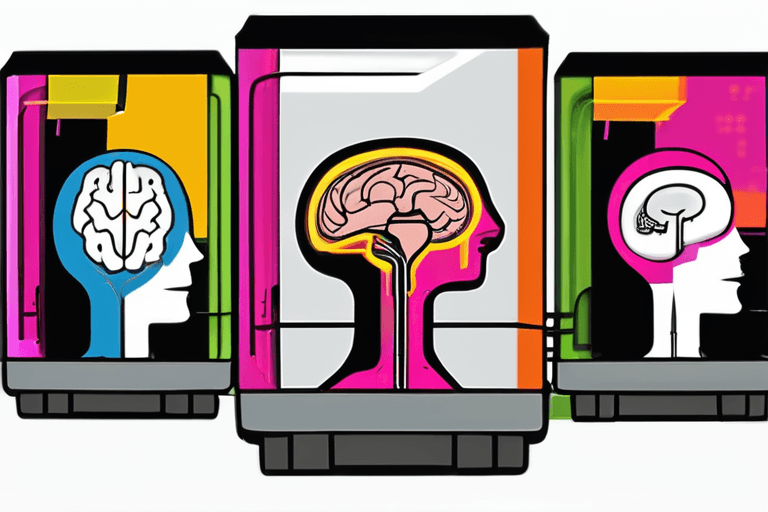
Investment in neurological research is poised for a significant upswing following the unveiling of a novel diagnostic tool utilizing lab-grown "mini-brains." These miniature brain models, derived from patient cells, are demonstrating the ability to identify distinct electrical signatures associated with schizophrenia and bipolar disorder, potentially revolutionizing psychiatric diagnosis and treatment.
Researchers at Johns Hopkins University reported an accuracy rate exceeding previous methods in differentiating between the two conditions using these mini-brains. While specific financial figures were not disclosed, the research suggests a potential reduction in the estimated $280 billion annual cost associated with managing schizophrenia and bipolar disorder in the United States alone, primarily through more effective and targeted medication strategies. The current trial-and-error approach to medication often leads to prolonged periods of instability and increased healthcare expenditure.
The market impact of this technology could be substantial. Pharmaceutical companies stand to benefit from the ability to pre-test drug efficacy on patient-specific brain models, potentially accelerating drug development timelines and reducing the risk of costly clinical trial failures. Diagnostic companies could also see new revenue streams through the commercialization of mini-brain-based diagnostic tests. Venture capital firms are likely to increase investment in biotech startups focused on neurological disease modeling and personalized medicine.
The development of these mini-brains represents a significant advancement in the field of precision psychiatry. By growing brain tissue from patient-derived induced pluripotent stem cells (iPSCs), researchers can create models that more accurately reflect the individual's unique genetic and neurological makeup. The application of artificial intelligence (AI) plays a crucial role in analyzing the complex electrical activity patterns within these mini-brains. Machine learning algorithms are trained to identify subtle differences in neural firing that are indicative of specific disorders. This AI-driven analysis provides an objective and quantitative assessment, reducing the reliance on subjective clinical evaluations.
Looking ahead, the integration of AI and mini-brain technology holds immense promise. Future research will likely focus on expanding the range of neurological disorders that can be modeled and diagnosed using this approach. Furthermore, the development of more sophisticated AI algorithms could enable the prediction of individual patient responses to specific medications, paving the way for truly personalized treatment plans. The ethical considerations surrounding the use of AI in neurological diagnosis and treatment will need careful consideration to ensure responsible and equitable implementation.













Discussion
Join the conversation
Be the first to comment