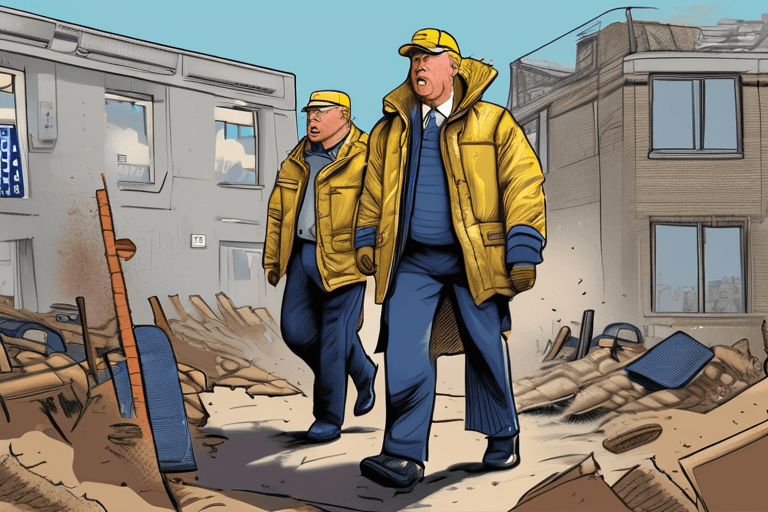
Iran's national currency plummeted to a record low against the U.S. dollar this past weekend, triggering widespread protests across Tehran and other cities on Monday. Demonstrators voiced their discontent over surging inflation, which has destabilized markets and strained household finances.
The annual inflation rate in Iran reached 42.2 percent in December, exacerbating the economic pressures on citizens. In response to the escalating crisis, Mohammad Reza Farzin resigned from his position as head of Iran's central bank on Monday, pending presidential approval. Abdolnaser Hemmati, a former economy minister, was slated to succeed him.
President Masoud Pezeshkian addressed Parliament on Sunday, acknowledging the severity of the economic situation during discussions about the proposed 2026 budget. He attributed the current challenges to decisions made by previous administrations, parliaments, and officials.
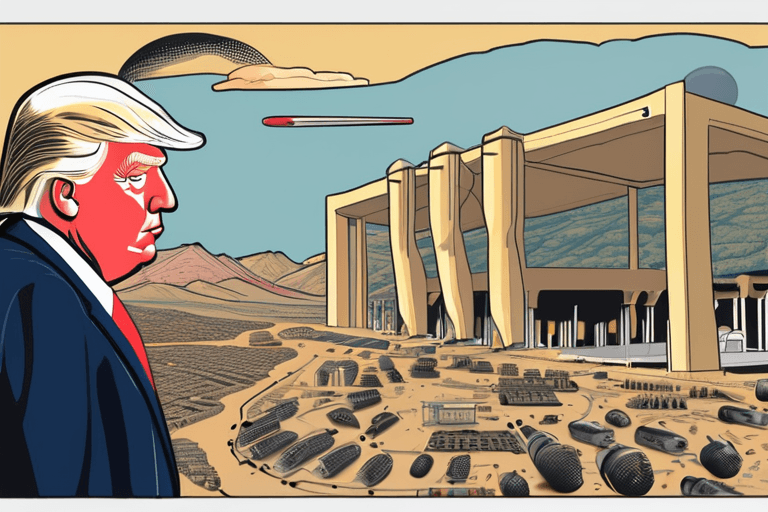
The currency collapse and rising inflation present a significant challenge for Iranian leaders as they navigate the complexities of governing a nation of 92 million people. The economic turmoil adds to the existing pressures stemming from alleged attacks on Iran's nuclear facilities in June by Israel and the United States, as well as a campaign of maximum pressure. The situation demands careful management to maintain stability and address the economic grievances of the population.














Discussion
Join the conversation
Be the first to comment