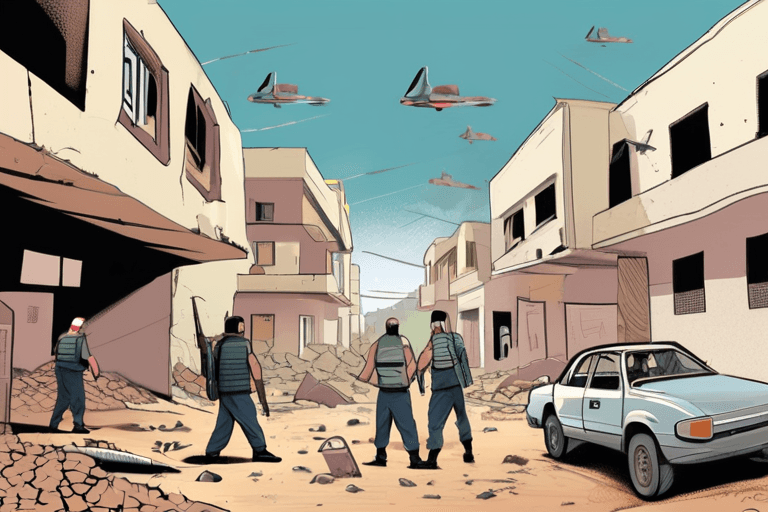
Protests and clashes erupted across Syria's coastal regions on Sunday, marking a resurgence of sectarian tensions following the overthrow of Bashar al-Assad's regime a year prior. The unrest included gunfire directed at Syrian security forces at the al-Azhari roundabout in Latakia and a hand grenade attack on the al-Anaza police station in the Banias district of the Tartous governorate, according to reports.
The protests were primarily organized by members of the Alawite minority, the same sect to which al-Assad belonged. Demonstrators in Latakia specifically called for federalism and an end to what they described as killings and violations against Alawites, Reuters reported. The catalyst for the demonstrations was the reported deaths of at least eight Alawites in recent incidents.
The situation in Syria remains volatile after years of civil war and political upheaval. The ousting of al-Assad's regime, while initially hailed by some as a step towards democracy, has created a power vacuum and exacerbated existing sectarian divisions. The Alawites, who held significant power under al-Assad, now find themselves in a vulnerable position, fearing marginalization and persecution.
The call for federalism reflects a desire among some Alawites for greater autonomy and protection within a restructured Syrian state. However, the concept of federalism is contentious, with opponents arguing it could lead to further fragmentation of the country along sectarian lines.
The security situation in Syria is further complicated by the presence of various armed groups, including remnants of ISIS and other extremist organizations. Neighboring countries, such as Israel and Jordan, have also been involved in military actions within Syria, targeting Iranian-backed militias and drug smuggling operations, respectively.
The Syrian government has yet to issue a comprehensive response to the protests and the demands of the Alawite community. The immediate next steps are uncertain, but analysts suggest that the government will likely attempt to quell the unrest through a combination of security measures and political negotiations. The long-term stability of Syria hinges on addressing the underlying grievances of its diverse communities and establishing a more inclusive and representative political system.


















Discussion
Join the conversation
Be the first to comment