Imagine a world where your AI assistant doesn't just answer questions, but actively orchestrates your life. Need a soundtrack for your commute? ChatGPT, connected to your Spotify account, crafts a personalized playlist based on your listening history and current mood. Hungry after a long day? A simple prompt to ChatGPT orders your favorite Pad Thai through DoorDash, delivered right to your doorstep. This isn't science fiction; it's the reality OpenAI is building with its new ChatGPT app integrations.
For years, AI assistants have been confined to answering queries and performing simple tasks. But OpenAI is breaking down those walls, allowing ChatGPT to tap into the power of other applications. This move signifies a major shift in the AI landscape, transforming ChatGPT from a passive information provider into an active, integrated part of users' daily lives.
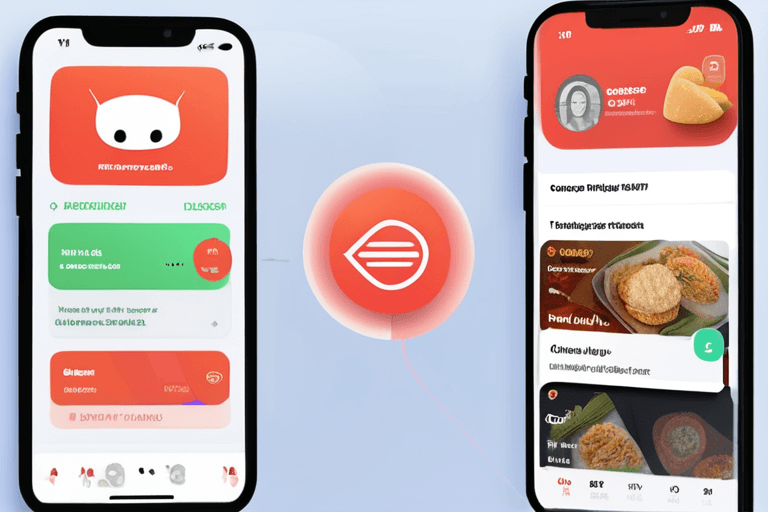
The core concept is simple: connect your accounts from services like Spotify, DoorDash, Uber, and others directly to ChatGPT. Once linked, you can instruct ChatGPT to perform actions within those apps using natural language. Want an Uber to the airport? Just tell ChatGPT. Need a curated list of podcasts for your next road trip? ChatGPT, armed with your Spotify data, can handle it.
Getting started is straightforward. Users can initiate the connection process by typing the name of the desired app at the beginning of a prompt. ChatGPT will then guide them through the sign-in and authorization process. Alternatively, users can navigate to the Settings menu, click on "Apps and Connectors," and browse the available integrations. This centralized hub allows for a comprehensive overview of available options and streamlined account linking.
However, this newfound convenience comes with a crucial caveat: data sharing. Connecting your accounts grants ChatGPT access to your personal information within those apps. For example, linking your Spotify account allows ChatGPT to view your playlists, listening history, and other personal details. While this data fuels the personalization engine, it also raises legitimate privacy concerns.
"Users need to be aware of the trade-offs they're making," says privacy advocate Sarah Miller. "The convenience of these integrations is undeniable, but it's essential to understand what data you're sharing and how it's being used. Read the fine print and carefully consider whether the benefits outweigh the potential risks."
OpenAI acknowledges these concerns and emphasizes the importance of transparency. The company encourages users to carefully review the permissions they grant when linking their accounts. This allows individuals to make informed decisions about the level of access they're comfortable providing.
The implications of these app integrations extend far beyond individual convenience. For businesses, this opens up new avenues for customer engagement and personalized service delivery. Imagine a restaurant using ChatGPT to manage reservations, personalize menu recommendations based on customer preferences, and even process orders directly through the platform.
Looking ahead, the potential for further integration is vast. As more developers create connectors for their apps, ChatGPT could become a central hub for managing virtually every aspect of our digital lives. From controlling smart home devices to managing finances, the possibilities are seemingly endless.
The integration of apps into ChatGPT represents a significant step towards a more seamless and intuitive AI experience. While privacy concerns remain a valid consideration, the potential benefits for both individuals and businesses are undeniable. As OpenAI continues to expand its ecosystem of app integrations, the line between AI assistant and personal digital concierge will continue to blur, ushering in a new era of personalized and proactive technology.


















Discussion
Join the conversation
Be the first to comment