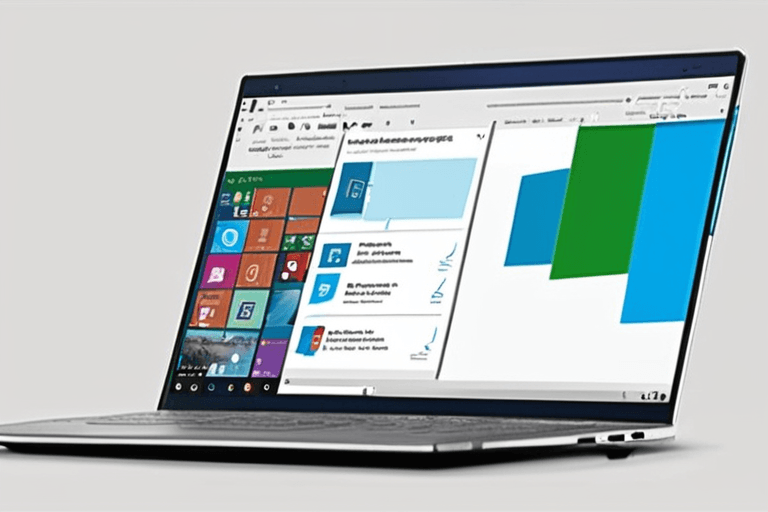
Microsoft officially ended support for Windows 10 on October 14, 2025, marking a significant shift in the Windows ecosystem despite ongoing security updates for some users. The end of support arrived as Windows 11 surpassed Windows 10 in market share, according to StatCounter data, first in the U.S. in February 2025 and then worldwide in July 2025. This transition signals a gradual decline in Windows 10 usage, further evidenced by a drop in its representation on the Steam Hardware Survey, falling from just over 44 percent to under 31 percent.
While Microsoft ceased formal support, the company is providing avenues for continued security updates. Home users can obtain an additional year of free security updates with minimal effort, while schools and businesses can secure up to two more years of updates. Furthermore, critical system applications such as Edge and Windows Defender will continue to receive updates until at least 2028, ensuring a base level of security for remaining Windows 10 users.
The shift away from Windows 10 has implications for software and hardware developers. With Microsoft no longer providing official support, developers are beginning to phase out compatibility for the operating system. This means that new games, applications, and drivers will increasingly be optimized for Windows 11 and later versions, potentially leaving Windows 10 users with an aging software ecosystem.














Discussion
Join the conversation
Be the first to comment